Buy siendo.eu ?
We are moving the project
siendo.eu .
Are you interested in purchasing the domain
siendo.eu ?
domain@kv-gmbh.de · 0541-91531010
Buy siendo.eu ?
Is caries an infectious disease or a lifestyle disease?
Caries, also known as tooth decay or cavities, is primarily considered an infectious disease. It is caused by bacteria in the mouth, particularly Streptococcus mutans, which produce acids that erode the tooth enamel. However, lifestyle factors such as poor oral hygiene, high sugar consumption, and lack of regular dental care can contribute to the development and progression of caries. Therefore, while caries is fundamentally an infectious disease, lifestyle choices can play a significant role in its occurrence. **
What is infectious mononucleosis?
Infectious mononucleosis, also known as mono or the "kissing disease," is a viral infection caused by the Epstein-Barr virus (EBV). It is most commonly spread through saliva, hence its nickname. Symptoms of infectious mononucleosis include fatigue, sore throat, fever, swollen lymph nodes, and sometimes an enlarged spleen. While the symptoms can be uncomfortable, most cases of mono resolve on their own with rest and supportive care. **

Similar search terms for Infectious
Top-Angebote
Products related to Infectious:
-
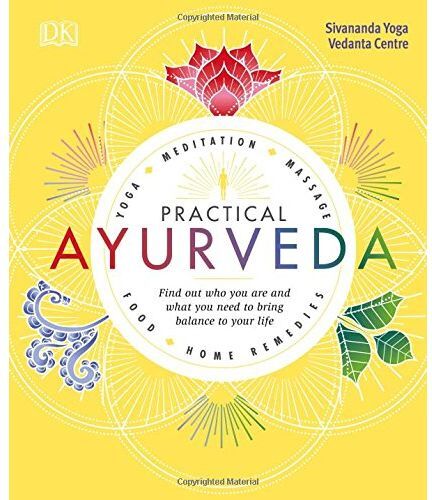
DK Practical Ayurveda – Find Out Who You Are and What You Need to Bring Balance to Your Life Holistic Health & Ayurvedic Wellness GuideDiscover the ancient wisdom of Ayurveda with Practical Ayurveda: Find Out Who You Are and What You Need to Bring Balance to Your Life, a clear and accessible guide to holistic wellbeing. Rooted in centuries of traditional Indian medicine, Ayurveda focuses on understanding your unique body type—or dosha—to achieve harmony between body, mind, and spirit. This practical guide helps readers identify their personal constitution and learn simple lifestyle, diet, and wellness practices to restore natural balance. Through easy explanations, self-assessment tools, and practical advice, this book introduces readers to Ayurvedic principles including nutrition, daily routines, herbal remedies, and mindful living. What You’ll Discover: How to identify your Ayurvedic dosha (Vata, Pitta, or Kapha) Practical tips for improving health, energy, and balance Guidance on Ayurvedic diet and lifestyle practices Natural approaches to managing stress and wellbeing Simple steps to integrate ancient wisdom into modern life Perfect for beginners and anyone interested in natural health, holistic living, and mind-body balance, Practical Ayurveda offers an inspiring introduction to one of the world’s oldest healing traditions.7,99 £*Shipping: 2,99 £Secure redirect to the provider
-
What are infectious diseases?
Infectious diseases are illnesses caused by pathogenic microorganisms such as bacteria, viruses, fungi, or parasites. These microorganisms can be transmitted from person to person, through contact with contaminated surfaces, or through vectors such as mosquitoes or ticks. Common examples of infectious diseases include the flu, tuberculosis, HIV/AIDS, and COVID-19. These diseases can range from mild to severe and can be prevented through measures such as vaccination, good hygiene, and proper sanitation. **
-
Is dog feces infectious?
Yes, dog feces can be infectious as it may contain harmful bacteria, parasites, and viruses that can be transmitted to humans and other animals. These pathogens can cause diseases such as salmonellosis, giardiasis, and toxocariasis. It is important to properly dispose of dog feces and practice good hygiene to reduce the risk of infection. **
-
What is the difference between infectious disease specialists and infectious disease physicians?
Infectious disease specialists and infectious disease physicians are often used interchangeably, but there is a subtle difference between the two. Infectious disease specialists are physicians who have completed additional training and certification in the field of infectious diseases, while infectious disease physicians may not have completed this specialized training. Infectious disease specialists are experts in diagnosing and treating complex infectious diseases, while infectious disease physicians may have a broader focus in their medical practice. **
-
Have you ever had infectious mononucleosis?
As an AI language model, I do not have a physical body and therefore cannot contract infectious diseases such as mononucleosis. However, I can provide information and answer questions about the symptoms, causes, and treatment of infectious mononucleosis. If you have any concerns about your health, it is important to consult with a healthcare professional for personalized advice and care. **
What happens now with infectious mononucleosis?
Infectious mononucleosis is typically a self-limiting illness, meaning that it will resolve on its own with time. The symptoms of infectious mononucleosis, such as fever, sore throat, and swollen lymph nodes, usually improve within a few weeks. However, fatigue and malaise can persist for several weeks or even months. It is important to get plenty of rest, stay hydrated, and avoid strenuous physical activity to aid in recovery. In some cases, complications such as an enlarged spleen or liver involvement may occur, so it is important to follow up with a healthcare provider for monitoring and guidance. **
How does an infectious disease progress?
An infectious disease progresses through several stages. First, there is the incubation period, during which the pathogen begins to multiply within the body. This is followed by the prodromal stage, where the individual may start to experience mild symptoms. The acute stage is when the disease is at its peak, with the individual experiencing the full range of symptoms. Finally, there is the convalescent stage, during which the individual begins to recover as the immune system fights off the infection. The progression of the disease can vary depending on the type of pathogen and the individual's immune response. **
Top-Angebote
Products related to Infectious:
-
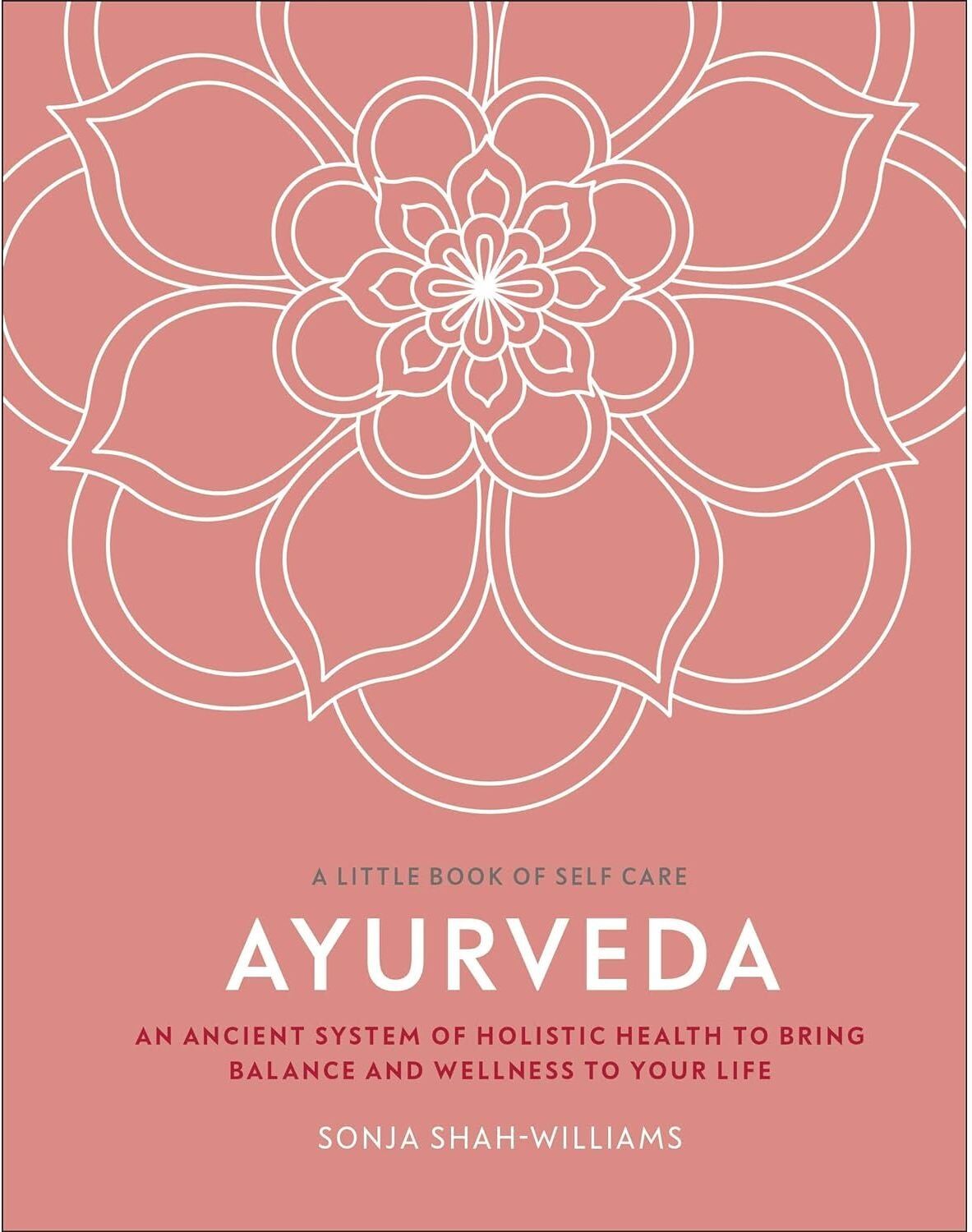
DK Ayurveda: An Ancient System of Holistic Health to Bring Balance and Wellness to Your Life (A Little Book of Self Care)Make Ayurveda an indispensable part of your daily routine with this step-by-step guide to holistic balance and wellness. For a natural approach to self-healing, alternative medicine, and wellness, expert Sonja Shah-Williams has tailored remedies including Ayurveda recipes, skincare, yoga, and mindful meditation techniques. Harness the power of alternative therapies and discover: - What Ayurveda is and the benefits of the practice - Easy to follow, step by step illustrated guide to Ayurvedic practices - Ayurvedic super-foods and recipes - How to easily incorporate holistic practices into daily life - Positive affirmations, mindfulness techniques and exercises Modern science has proved the effectiveness of Ayurveda as a view of the world based on ancient beliefs that everything is connected and that balance is the key to wellbeing. Ayurveda focuses on the prevention of disease by focusing on anti-inflammatory diets, mindful meditation, and massages. This practical guide is an Ayurvedic consultation at your disposal. This little self-care book will take you on a breathtaking journey of holistic healing. It begins by unpacking what Ayurveda is and the benefits of the practice. This reference book includes wellness practices designed to uplift the mind, body, and spirit and healing treatments designed to address, relieve, and help cure a range of common conditions.4,95 £*Shipping: 1,99 £Secure redirect to the provider
-
KitchenCuration Healing Quartz Crystal Water Bottle For Wellness & Energy Balance FluoriteRefresh your daily routine with a beautifully designed crystal water bottle that combines mindful living with elegant style. Crafted for wellness enthusiasts, yoga lovers, and anyone seeking a calming hydration experience, this bottle features a...49,97 $*Shipping: 0,00 $Secure redirect to the provider
-
DK Practical Ayurveda – Find Out Who You Are and What You Need to Bring Balance to Your Life Holistic Health & Ayurvedic Wellness GuideDiscover the ancient wisdom of Ayurveda with Practical Ayurveda: Find Out Who You Are and What You Need to Bring Balance to Your Life, a clear and accessible guide to holistic wellbeing. Rooted in centuries of traditional Indian medicine, Ayurveda focuses on understanding your unique body type—or dosha—to achieve harmony between body, mind, and spirit. This practical guide helps readers identify their personal constitution and learn simple lifestyle, diet, and wellness practices to restore natural balance. Through easy explanations, self-assessment tools, and practical advice, this book introduces readers to Ayurvedic principles including nutrition, daily routines, herbal remedies, and mindful living. What You’ll Discover: How to identify your Ayurvedic dosha (Vata, Pitta, or Kapha) Practical tips for improving health, energy, and balance Guidance on Ayurvedic diet and lifestyle practices Natural approaches to managing stress and wellbeing Simple steps to integrate ancient wisdom into modern life Perfect for beginners and anyone interested in natural health, holistic living, and mind-body balance, Practical Ayurveda offers an inspiring introduction to one of the world’s oldest healing traditions.7,99 £*Shipping: 2,99 £Secure redirect to the provider
-
Is caries an infectious disease or a lifestyle disease?
Caries, also known as tooth decay or cavities, is primarily considered an infectious disease. It is caused by bacteria in the mouth, particularly Streptococcus mutans, which produce acids that erode the tooth enamel. However, lifestyle factors such as poor oral hygiene, high sugar consumption, and lack of regular dental care can contribute to the development and progression of caries. Therefore, while caries is fundamentally an infectious disease, lifestyle choices can play a significant role in its occurrence. **
-
What is infectious mononucleosis?
Infectious mononucleosis, also known as mono or the "kissing disease," is a viral infection caused by the Epstein-Barr virus (EBV). It is most commonly spread through saliva, hence its nickname. Symptoms of infectious mononucleosis include fatigue, sore throat, fever, swollen lymph nodes, and sometimes an enlarged spleen. While the symptoms can be uncomfortable, most cases of mono resolve on their own with rest and supportive care. **
-
What are infectious diseases?
Infectious diseases are illnesses caused by pathogenic microorganisms such as bacteria, viruses, fungi, or parasites. These microorganisms can be transmitted from person to person, through contact with contaminated surfaces, or through vectors such as mosquitoes or ticks. Common examples of infectious diseases include the flu, tuberculosis, HIV/AIDS, and COVID-19. These diseases can range from mild to severe and can be prevented through measures such as vaccination, good hygiene, and proper sanitation. **
-
Is dog feces infectious?
Yes, dog feces can be infectious as it may contain harmful bacteria, parasites, and viruses that can be transmitted to humans and other animals. These pathogens can cause diseases such as salmonellosis, giardiasis, and toxocariasis. It is important to properly dispose of dog feces and practice good hygiene to reduce the risk of infection. **
Similar search terms for Infectious
-
What is the difference between infectious disease specialists and infectious disease physicians?
Infectious disease specialists and infectious disease physicians are often used interchangeably, but there is a subtle difference between the two. Infectious disease specialists are physicians who have completed additional training and certification in the field of infectious diseases, while infectious disease physicians may not have completed this specialized training. Infectious disease specialists are experts in diagnosing and treating complex infectious diseases, while infectious disease physicians may have a broader focus in their medical practice. **
-
Have you ever had infectious mononucleosis?
As an AI language model, I do not have a physical body and therefore cannot contract infectious diseases such as mononucleosis. However, I can provide information and answer questions about the symptoms, causes, and treatment of infectious mononucleosis. If you have any concerns about your health, it is important to consult with a healthcare professional for personalized advice and care. **
-
What happens now with infectious mononucleosis?
Infectious mononucleosis is typically a self-limiting illness, meaning that it will resolve on its own with time. The symptoms of infectious mononucleosis, such as fever, sore throat, and swollen lymph nodes, usually improve within a few weeks. However, fatigue and malaise can persist for several weeks or even months. It is important to get plenty of rest, stay hydrated, and avoid strenuous physical activity to aid in recovery. In some cases, complications such as an enlarged spleen or liver involvement may occur, so it is important to follow up with a healthcare provider for monitoring and guidance. **
-
How does an infectious disease progress?
An infectious disease progresses through several stages. First, there is the incubation period, during which the pathogen begins to multiply within the body. This is followed by the prodromal stage, where the individual may start to experience mild symptoms. The acute stage is when the disease is at its peak, with the individual experiencing the full range of symptoms. Finally, there is the convalescent stage, during which the individual begins to recover as the immune system fights off the infection. The progression of the disease can vary depending on the type of pathogen and the individual's immune response. **
* All prices are inclusive of VAT and, if applicable, plus shipping costs. The offer information is based on the details provided by the respective shop and is updated through automated processes. Real-time updates do not occur, so deviations can occur in individual cases. ** Note: Parts of this content were created by AI.