Buy siendo.eu ?
We are moving the project
siendo.eu .
Are you interested in purchasing the domain
siendo.eu ?
domain@kv-gmbh.de · 0541-91531010
Buy siendo.eu ?
What quotes are there on the topics of Buddhism, meditation, and mindfulness?
1. "Do not dwell in the past, do not dream of the future, concentrate the mind on the present moment." - Buddha 2. "Meditation brings wisdom; lack of meditation leaves ignorance. Know well what leads you forward and what holds you back, and choose the path that leads to wisdom." - Buddha 3. "The mind is everything. What you think you become." - Buddha 4. "Mindfulness is the aware, balanced acceptance of the present experience. It isn't more complicated than that. It is opening to or receiving the present moment, pleasant or unpleasant, just as it is, without either clinging to it or rejecting it." - Sylvia Boorstein **
What are the differences between Buddhism and Tibetan Buddhism?
Buddhism is a broader religion that encompasses various traditions and schools, while Tibetan Buddhism is a specific branch of Buddhism that developed in Tibet. Tibetan Buddhism incorporates elements of Tibetan culture, such as rituals, deities, and practices like chanting and visualization. It also places a strong emphasis on the teachings of Tibetan Buddhist masters and the importance of the Dalai Lama. Additionally, Tibetan Buddhism includes unique practices such as the use of prayer flags, prayer wheels, and mandalas. **
Similar search terms for Buddhism
Top-Angebote
Products related to Buddhism:
-
HODDER PUBLISHING Sane New World: Taming the Mind by Ruby Wax – Mental Health & Mindfulness GuideThe mental health and mindfulness bestseller from A Mindfulness Guide for the Frazzled and How to be Human author Ruby Wax; who shows us why and how our minds can send us mad and how we can rewire our thinking to calm ourselves in a frenetic world. 'Finally - a map for the troubled human mind. And it's funny.' -Caitlin Moran Ruby Wax - comedian; writer and mental health campaigner - shows us how our minds can jeopardize our sanity. With her own periods of depression and now a Masters from Oxford in Mindfulness-based Cognitive Therapy to draw from; she explains how our busy; chattering; self-critical thoughts drive us to anxiety and stress. If we are to break the cycle; we need to understand how our brains work; rewire our thinking and find calm in a frenetic world. Helping you become the master; not the slave; of your mind; here is the manual to saner living.4,90 £*Shipping: 1,99 £Secure redirect to the provider
-
KitchenCuration Healing Quartz Crystal Water Bottle For Wellness & Energy Balance FluoriteRefresh your daily routine with a beautifully designed crystal water bottle that combines mindful living with elegant style. Crafted for wellness enthusiasts, yoga lovers, and anyone seeking a calming hydration experience, this bottle features a...49,97 $*Shipping: 0,00 $Secure redirect to the provider
-
Happy Pet Pantry Cat Probiotic Drops For Gut Health & Digestive Balance Support Supplement Cat Probiotic Drops For Gut Health & Digestive Balance Support SupplementWhen your cats digestion is off, everything from mood to energy can be affected. These cat probiotic drops are designed to gently restore balance and support a healthier digestive system from the inside out. Formulated for daily use, they help...39,97 $*Shipping: 0,00 $Secure redirect to the provider
-
Uplift Essentials "Social Worker ""My Control Circle"" Poster Mental Health Mindfulness Print Professional Office Wall Decor & Counselor 6x8 In""Empower your workspace and inspire your clients with our Social Worker ""My Control Circle"" Poster. This essential mental health professional artwork serves as both a beautiful decoration and a functional therapeutic tool. Featuring a clean,..."39,97 $*Shipping: 0,00 $Secure redirect to the provider



-
What is the difference between Buddhism and Zen Buddhism?
Buddhism is a broader religion and philosophy that encompasses a variety of traditions and practices, while Zen Buddhism is a specific school or branch of Mahayana Buddhism that emphasizes meditation and direct experience of enlightenment. Zen Buddhism places a strong emphasis on the practice of meditation (zazen) as a means to achieve enlightenment, while traditional Buddhism incorporates a wider range of practices such as chanting, rituals, and study of Buddhist scriptures. Additionally, Zen Buddhism often focuses on the teachings of specific Zen masters and the importance of the teacher-student relationship in transmitting wisdom and insight. **
-
Is Buddhism illogical?
Buddhism is not inherently illogical. It is a complex and diverse belief system that encompasses a wide range of philosophical and ethical teachings. While some aspects of Buddhist doctrine may seem counterintuitive or difficult to understand from a Western perspective, they are based on a different cultural and philosophical framework. Many Buddhist teachings emphasize the importance of critical thinking and personal experience, and encourage followers to question and explore their beliefs. Ultimately, whether Buddhism is considered logical or not may depend on one's own perspective and understanding of its teachings. **
-
What is the difference between Zen Buddhism and regular Buddhism?
The main difference between Zen Buddhism and regular Buddhism lies in their approach to meditation and enlightenment. Zen Buddhism, which originated in China and later developed in Japan, emphasizes the practice of meditation (zazen) as the primary means to attain enlightenment. It focuses on direct experience and intuitive understanding, often through the guidance of a teacher. Regular Buddhism, on the other hand, encompasses a variety of traditions and practices, with meditation being just one of them. It places more emphasis on the study of scriptures, ethical conduct, and the development of wisdom and compassion. While both Zen Buddhism and regular Buddhism share the same core teachings of the Four Noble Truths and the Eightfold Path, their methods and emphasis on practice differ. **
-
What does Buddhism teach?
Buddhism teaches the Four Noble Truths, which are the truths of suffering, the cause of suffering, the end of suffering, and the path to the end of suffering. It also emphasizes the importance of mindfulness, compassion, and non-attachment. Buddhism teaches that all beings are interconnected and that the ultimate goal is to achieve enlightenment and liberation from the cycle of birth and death (samsara). **


What is Zen Buddhism?
Zen Buddhism is a school of Mahayana Buddhism that originated in China during the Tang dynasty and later spread to Japan. It emphasizes the practice of meditation (zazen) and the direct experience of enlightenment, or awakening. Zen teachings often focus on the concept of emptiness, impermanence, and the importance of living in the present moment. It is known for its minimalist approach, simplicity, and the use of paradoxical statements (koans) to provoke insight and break through conceptual thinking. **
What makes Buddhism attractive?
Buddhism is attractive to many because of its emphasis on inner peace, mindfulness, and compassion. The teachings of Buddhism offer practical tools for dealing with suffering and finding contentment in the present moment. The focus on personal growth and self-awareness also appeals to those seeking spiritual fulfillment. Additionally, the inclusive nature of Buddhism, which welcomes people from all backgrounds and beliefs, makes it a welcoming and accessible path for many. **
Top-Angebote
Products related to Buddhism:
-
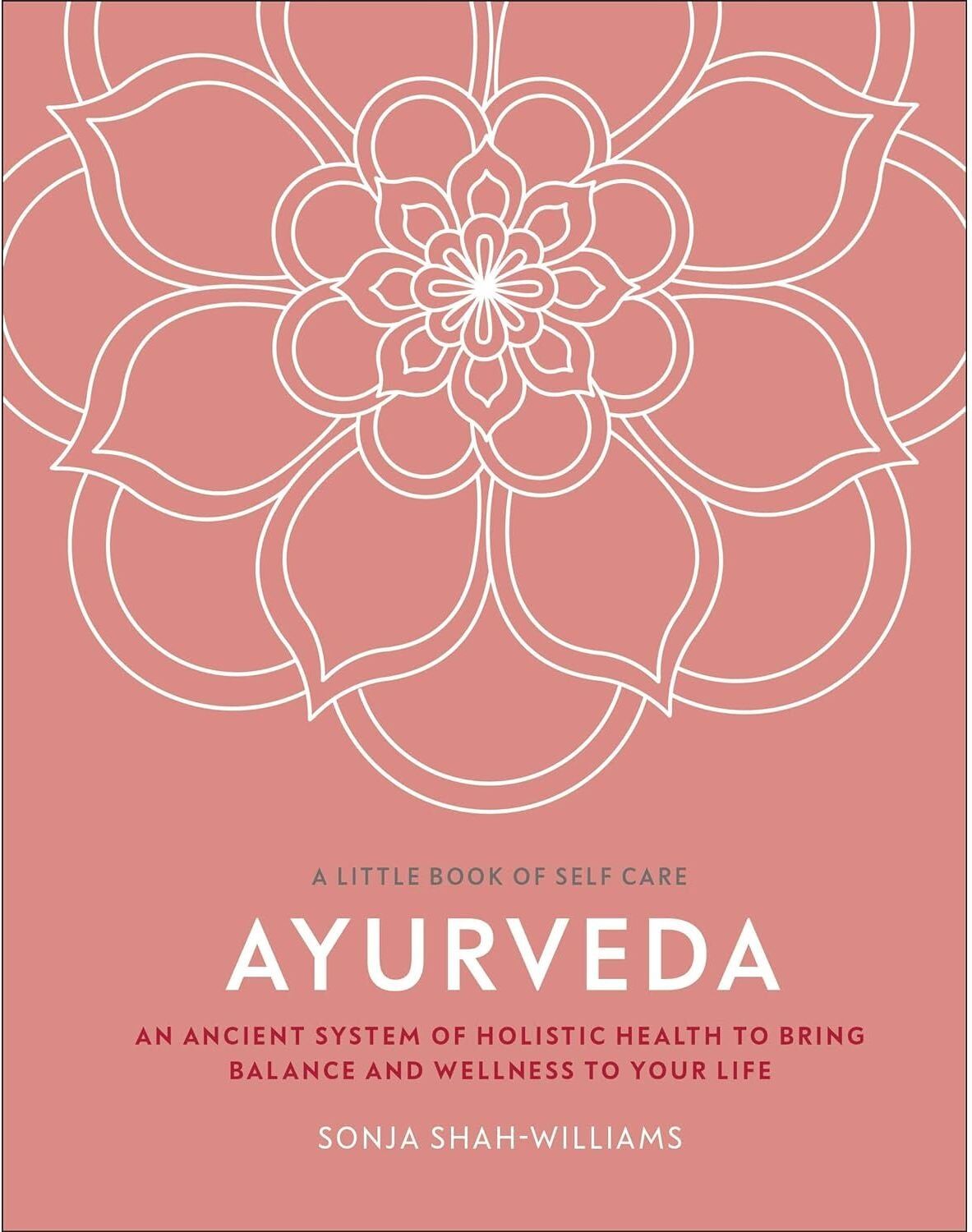
DK Ayurveda: An Ancient System of Holistic Health to Bring Balance and Wellness to Your Life (A Little Book of Self Care)Make Ayurveda an indispensable part of your daily routine with this step-by-step guide to holistic balance and wellness. For a natural approach to self-healing, alternative medicine, and wellness, expert Sonja Shah-Williams has tailored remedies including Ayurveda recipes, skincare, yoga, and mindful meditation techniques. Harness the power of alternative therapies and discover: - What Ayurveda is and the benefits of the practice - Easy to follow, step by step illustrated guide to Ayurvedic practices - Ayurvedic super-foods and recipes - How to easily incorporate holistic practices into daily life - Positive affirmations, mindfulness techniques and exercises Modern science has proved the effectiveness of Ayurveda as a view of the world based on ancient beliefs that everything is connected and that balance is the key to wellbeing. Ayurveda focuses on the prevention of disease by focusing on anti-inflammatory diets, mindful meditation, and massages. This practical guide is an Ayurvedic consultation at your disposal. This little self-care book will take you on a breathtaking journey of holistic healing. It begins by unpacking what Ayurveda is and the benefits of the practice. This reference book includes wellness practices designed to uplift the mind, body, and spirit and healing treatments designed to address, relieve, and help cure a range of common conditions.4,95 £*Shipping: 1,99 £Secure redirect to the provider
-
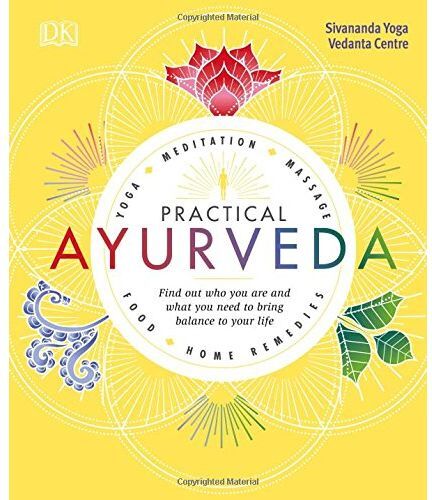
DK Practical Ayurveda – Find Out Who You Are and What You Need to Bring Balance to Your Life Holistic Health & Ayurvedic Wellness GuideDiscover the ancient wisdom of Ayurveda with Practical Ayurveda: Find Out Who You Are and What You Need to Bring Balance to Your Life, a clear and accessible guide to holistic wellbeing. Rooted in centuries of traditional Indian medicine, Ayurveda focuses on understanding your unique body type—or dosha—to achieve harmony between body, mind, and spirit. This practical guide helps readers identify their personal constitution and learn simple lifestyle, diet, and wellness practices to restore natural balance. Through easy explanations, self-assessment tools, and practical advice, this book introduces readers to Ayurvedic principles including nutrition, daily routines, herbal remedies, and mindful living. What You’ll Discover: How to identify your Ayurvedic dosha (Vata, Pitta, or Kapha) Practical tips for improving health, energy, and balance Guidance on Ayurvedic diet and lifestyle practices Natural approaches to managing stress and wellbeing Simple steps to integrate ancient wisdom into modern life Perfect for beginners and anyone interested in natural health, holistic living, and mind-body balance, Practical Ayurveda offers an inspiring introduction to one of the world’s oldest healing traditions.7,99 £*Shipping: 2,99 £Secure redirect to the provider
-
HODDER PUBLISHING Sane New World: Taming the Mind by Ruby Wax – Mental Health & Mindfulness GuideThe mental health and mindfulness bestseller from A Mindfulness Guide for the Frazzled and How to be Human author Ruby Wax; who shows us why and how our minds can send us mad and how we can rewire our thinking to calm ourselves in a frenetic world. 'Finally - a map for the troubled human mind. And it's funny.' -Caitlin Moran Ruby Wax - comedian; writer and mental health campaigner - shows us how our minds can jeopardize our sanity. With her own periods of depression and now a Masters from Oxford in Mindfulness-based Cognitive Therapy to draw from; she explains how our busy; chattering; self-critical thoughts drive us to anxiety and stress. If we are to break the cycle; we need to understand how our brains work; rewire our thinking and find calm in a frenetic world. Helping you become the master; not the slave; of your mind; here is the manual to saner living.4,90 £*Shipping: 1,99 £Secure redirect to the provider
-
KitchenCuration Healing Quartz Crystal Water Bottle For Wellness & Energy Balance FluoriteRefresh your daily routine with a beautifully designed crystal water bottle that combines mindful living with elegant style. Crafted for wellness enthusiasts, yoga lovers, and anyone seeking a calming hydration experience, this bottle features a...49,97 $*Shipping: 0,00 $Secure redirect to the provider
-
What quotes are there on the topics of Buddhism, meditation, and mindfulness?
1. "Do not dwell in the past, do not dream of the future, concentrate the mind on the present moment." - Buddha 2. "Meditation brings wisdom; lack of meditation leaves ignorance. Know well what leads you forward and what holds you back, and choose the path that leads to wisdom." - Buddha 3. "The mind is everything. What you think you become." - Buddha 4. "Mindfulness is the aware, balanced acceptance of the present experience. It isn't more complicated than that. It is opening to or receiving the present moment, pleasant or unpleasant, just as it is, without either clinging to it or rejecting it." - Sylvia Boorstein **
-
What are the differences between Buddhism and Tibetan Buddhism?
Buddhism is a broader religion that encompasses various traditions and schools, while Tibetan Buddhism is a specific branch of Buddhism that developed in Tibet. Tibetan Buddhism incorporates elements of Tibetan culture, such as rituals, deities, and practices like chanting and visualization. It also places a strong emphasis on the teachings of Tibetan Buddhist masters and the importance of the Dalai Lama. Additionally, Tibetan Buddhism includes unique practices such as the use of prayer flags, prayer wheels, and mandalas. **
-
What is the difference between Buddhism and Zen Buddhism?
Buddhism is a broader religion and philosophy that encompasses a variety of traditions and practices, while Zen Buddhism is a specific school or branch of Mahayana Buddhism that emphasizes meditation and direct experience of enlightenment. Zen Buddhism places a strong emphasis on the practice of meditation (zazen) as a means to achieve enlightenment, while traditional Buddhism incorporates a wider range of practices such as chanting, rituals, and study of Buddhist scriptures. Additionally, Zen Buddhism often focuses on the teachings of specific Zen masters and the importance of the teacher-student relationship in transmitting wisdom and insight. **
-
Is Buddhism illogical?
Buddhism is not inherently illogical. It is a complex and diverse belief system that encompasses a wide range of philosophical and ethical teachings. While some aspects of Buddhist doctrine may seem counterintuitive or difficult to understand from a Western perspective, they are based on a different cultural and philosophical framework. Many Buddhist teachings emphasize the importance of critical thinking and personal experience, and encourage followers to question and explore their beliefs. Ultimately, whether Buddhism is considered logical or not may depend on one's own perspective and understanding of its teachings. **
Similar search terms for Buddhism
-
Happy Pet Pantry Cat Probiotic Drops For Gut Health & Digestive Balance Support Supplement Cat Probiotic Drops For Gut Health & Digestive Balance Support SupplementWhen your cats digestion is off, everything from mood to energy can be affected. These cat probiotic drops are designed to gently restore balance and support a healthier digestive system from the inside out. Formulated for daily use, they help...39,97 $*Shipping: 0,00 $Secure redirect to the provider
-
Uplift Essentials "Social Worker ""My Control Circle"" Poster Mental Health Mindfulness Print Professional Office Wall Decor & Counselor 6x8 In""Empower your workspace and inspire your clients with our Social Worker ""My Control Circle"" Poster. This essential mental health professional artwork serves as both a beautiful decoration and a functional therapeutic tool. Featuring a clean,..."39,97 $*Shipping: 0,00 $Secure redirect to the provider
-
KitchenCuration Healing Quartz Crystal Water Bottle For Wellness & Energy Balance Clear QuartzRefresh your daily routine with a beautifully designed crystal water bottle that combines mindful living with elegant style. Crafted for wellness enthusiasts, yoga lovers, and anyone seeking a calming hydration experience, this bottle features a...49,97 $*Shipping: 0,00 $Secure redirect to the provider
-
KitchenCuration Healing Quartz Crystal Water Bottle For Wellness & Energy Balance Amethyst PurpleRefresh your daily routine with a beautifully designed crystal water bottle that combines mindful living with elegant style. Crafted for wellness enthusiasts, yoga lovers, and anyone seeking a calming hydration experience, this bottle features a...53,97 $*Shipping: 0,00 $Secure redirect to the provider
-
What is the difference between Zen Buddhism and regular Buddhism?
The main difference between Zen Buddhism and regular Buddhism lies in their approach to meditation and enlightenment. Zen Buddhism, which originated in China and later developed in Japan, emphasizes the practice of meditation (zazen) as the primary means to attain enlightenment. It focuses on direct experience and intuitive understanding, often through the guidance of a teacher. Regular Buddhism, on the other hand, encompasses a variety of traditions and practices, with meditation being just one of them. It places more emphasis on the study of scriptures, ethical conduct, and the development of wisdom and compassion. While both Zen Buddhism and regular Buddhism share the same core teachings of the Four Noble Truths and the Eightfold Path, their methods and emphasis on practice differ. **
-
What does Buddhism teach?
Buddhism teaches the Four Noble Truths, which are the truths of suffering, the cause of suffering, the end of suffering, and the path to the end of suffering. It also emphasizes the importance of mindfulness, compassion, and non-attachment. Buddhism teaches that all beings are interconnected and that the ultimate goal is to achieve enlightenment and liberation from the cycle of birth and death (samsara). **
-
What is Zen Buddhism?
Zen Buddhism is a school of Mahayana Buddhism that originated in China during the Tang dynasty and later spread to Japan. It emphasizes the practice of meditation (zazen) and the direct experience of enlightenment, or awakening. Zen teachings often focus on the concept of emptiness, impermanence, and the importance of living in the present moment. It is known for its minimalist approach, simplicity, and the use of paradoxical statements (koans) to provoke insight and break through conceptual thinking. **
-
What makes Buddhism attractive?
Buddhism is attractive to many because of its emphasis on inner peace, mindfulness, and compassion. The teachings of Buddhism offer practical tools for dealing with suffering and finding contentment in the present moment. The focus on personal growth and self-awareness also appeals to those seeking spiritual fulfillment. Additionally, the inclusive nature of Buddhism, which welcomes people from all backgrounds and beliefs, makes it a welcoming and accessible path for many. **
* All prices are inclusive of VAT and, if applicable, plus shipping costs. The offer information is based on the details provided by the respective shop and is updated through automated processes. Real-time updates do not occur, so deviations can occur in individual cases. ** Note: Parts of this content were created by AI.