Buy siendo.eu ?
We are moving the project
siendo.eu .
Are you interested in purchasing the domain
siendo.eu ?
domain@kv-gmbh.de · 0541-91531010
Buy siendo.eu ?
Was Ibn Taymiyyah a racist?
There is no evidence to suggest that Ibn Taymiyyah was a racist. He was a prominent Islamic scholar known for his extensive knowledge of Islamic jurisprudence and theology. While some of his writings have been interpreted as being critical of certain groups or beliefs, there is no indication that he held racist views. It is important to consider the historical context in which he lived and the complexities of his writings before making such judgments. **
Who killed Ali ibn Talib?
Ali ibn Talib, the cousin and son-in-law of the Prophet Muhammad, was assassinated by a man named Abd-al-Rahman ibn Muljam. Ibn Muljam was a member of the Kharijites, a group that opposed Ali's leadership and believed in taking extreme measures to enforce their beliefs. In 661 AD, Ibn Muljam attacked Ali with a poisoned sword while he was praying in the mosque in Kufa, Iraq. Ali succumbed to his injuries and died two days later. **
Similar search terms for Ibn
Top-Angebote
Products related to Ibn:
-
A Handbook Series of Spiritual Medicine & Accepted Prayers by Ibn Daud 2 Books Collection Box Set - Non Fiction - Paperback Ibn Daud BooksTitles in this Set: 1. A Handbook of Spiritual Medicine 2. A Handbook of Accepted Prayers Description: A Handbook of Spiritual Medicine This spiritual guide to the self is a handbook of tazkiyah or 'self-purification'. Not only does it illustrate the maladies of the human spiritual condition, it recognises the struggles and insecurities we all succumb to from time to time, and offers up the remedies too. The antidotes to our ailments are drawn from Qur'anic verses and authenticate ahadith (Prophetic sayings), inspiring mindfulness of the Almighty Cherisher (SWT) and His Beloved Prophetﷺ (PBUH). This guidebook, drawing on the 11th and 12th Century works of the 'Proof of Islam' and the wondrous sage, Imam Abu Hamid Al-Ghazali can be applied to our busy lives in the modern, hi-tech era, and will prove accessible to people of all ages, all denominations: believers and non-believers alike. A Handbook of Accepted Prayers Unhealthy addictions and depression are widespread: some of us find the uncertainty and emotional darkness eating away at us. 700 years ago, a diligent Muslim scholar told of a cost-free universal psychotherapeutic cure, writing: "Happiness comes with sincere du'a." He was Al-Qayyim Al-Jawziyyah (RA); his teacher was Ibn Taymiyyah (RA). Riding on the coat-tails of our pious predecessors, we too seek routes to accepted prayers and eternal reward within the tradition of the Holy Qur'an and authentic ahadith (Prophetic sayings). This book builds on the debut A Handbook of Spiritual Medicine and isn't simply a compilation of recommended du'as. Instead, it is a carefully considered framework that aligns our emotions with the most beautiful du'as, all of which have a profound constructive purpose: the aim is to transport us smilingly and with the noblest etiquette towards the ma'arifat (higher knowledge of Allah SWT) and istiqamah (steadfastness) that every Muslim seeks, deep down.32,99 £*Shipping: 2,99 £Secure redirect to the provider
-
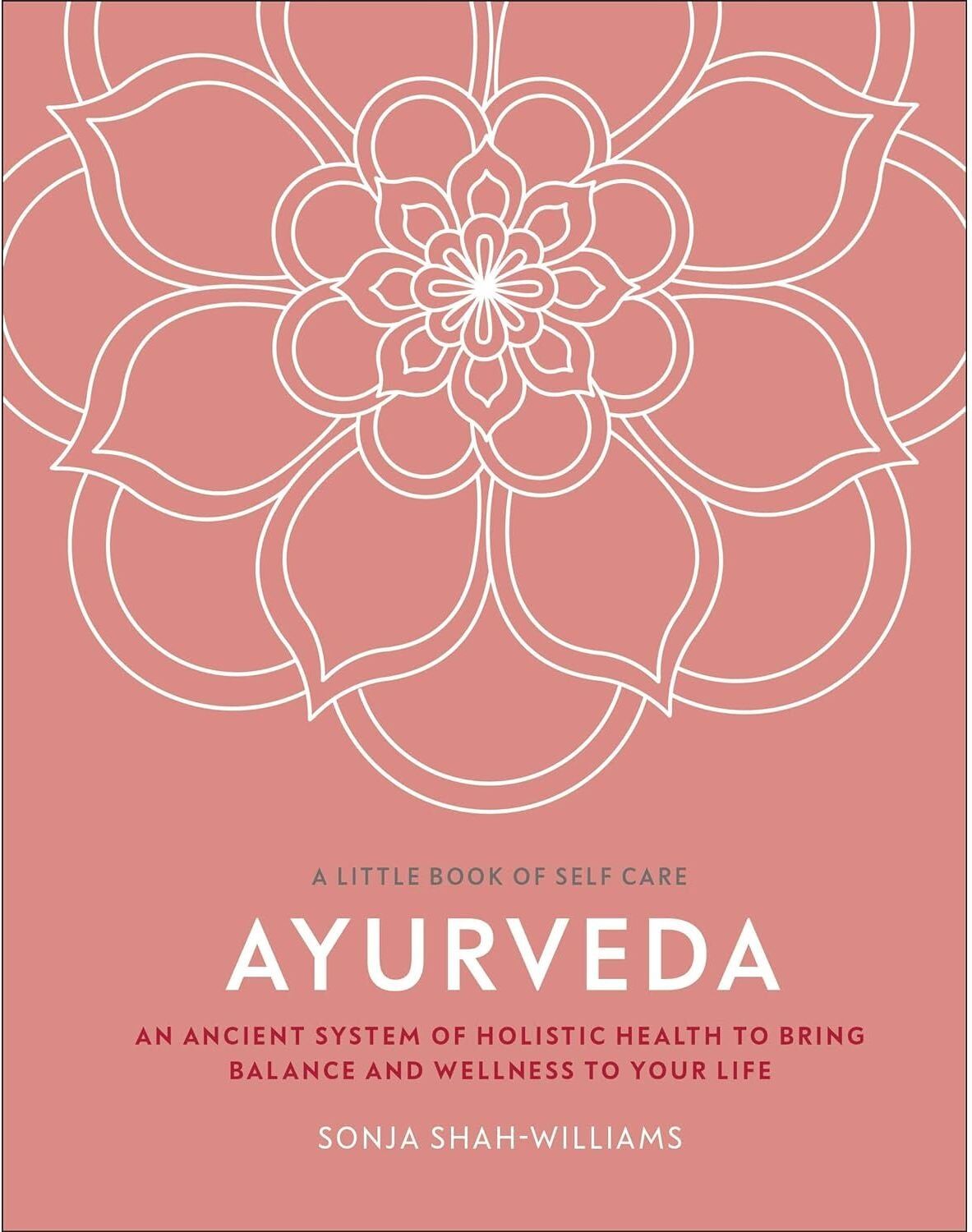
DK Ayurveda: An Ancient System of Holistic Health to Bring Balance and Wellness to Your Life (A Little Book of Self Care)Make Ayurveda an indispensable part of your daily routine with this step-by-step guide to holistic balance and wellness. For a natural approach to self-healing, alternative medicine, and wellness, expert Sonja Shah-Williams has tailored remedies including Ayurveda recipes, skincare, yoga, and mindful meditation techniques. Harness the power of alternative therapies and discover: - What Ayurveda is and the benefits of the practice - Easy to follow, step by step illustrated guide to Ayurvedic practices - Ayurvedic super-foods and recipes - How to easily incorporate holistic practices into daily life - Positive affirmations, mindfulness techniques and exercises Modern science has proved the effectiveness of Ayurveda as a view of the world based on ancient beliefs that everything is connected and that balance is the key to wellbeing. Ayurveda focuses on the prevention of disease by focusing on anti-inflammatory diets, mindful meditation, and massages. This practical guide is an Ayurvedic consultation at your disposal. This little self-care book will take you on a breathtaking journey of holistic healing. It begins by unpacking what Ayurveda is and the benefits of the practice. This reference book includes wellness practices designed to uplift the mind, body, and spirit and healing treatments designed to address, relieve, and help cure a range of common conditions.4,95 £*Shipping: 1,99 £Secure redirect to the provider
-
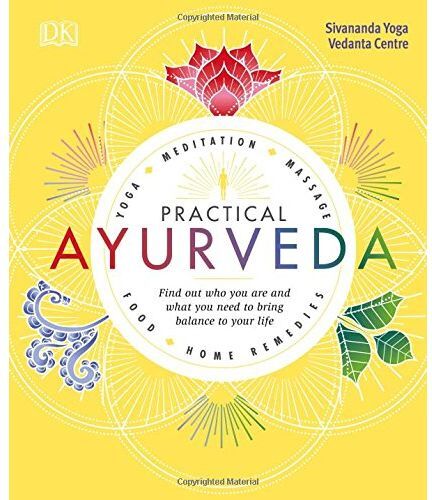
DK Practical Ayurveda – Find Out Who You Are and What You Need to Bring Balance to Your Life Holistic Health & Ayurvedic Wellness GuideDiscover the ancient wisdom of Ayurveda with Practical Ayurveda: Find Out Who You Are and What You Need to Bring Balance to Your Life, a clear and accessible guide to holistic wellbeing. Rooted in centuries of traditional Indian medicine, Ayurveda focuses on understanding your unique body type—or dosha—to achieve harmony between body, mind, and spirit. This practical guide helps readers identify their personal constitution and learn simple lifestyle, diet, and wellness practices to restore natural balance. Through easy explanations, self-assessment tools, and practical advice, this book introduces readers to Ayurvedic principles including nutrition, daily routines, herbal remedies, and mindful living. What You’ll Discover: How to identify your Ayurvedic dosha (Vata, Pitta, or Kapha) Practical tips for improving health, energy, and balance Guidance on Ayurvedic diet and lifestyle practices Natural approaches to managing stress and wellbeing Simple steps to integrate ancient wisdom into modern life Perfect for beginners and anyone interested in natural health, holistic living, and mind-body balance, Practical Ayurveda offers an inspiring introduction to one of the world’s oldest healing traditions.7,99 £*Shipping: 2,99 £Secure redirect to the provider
-
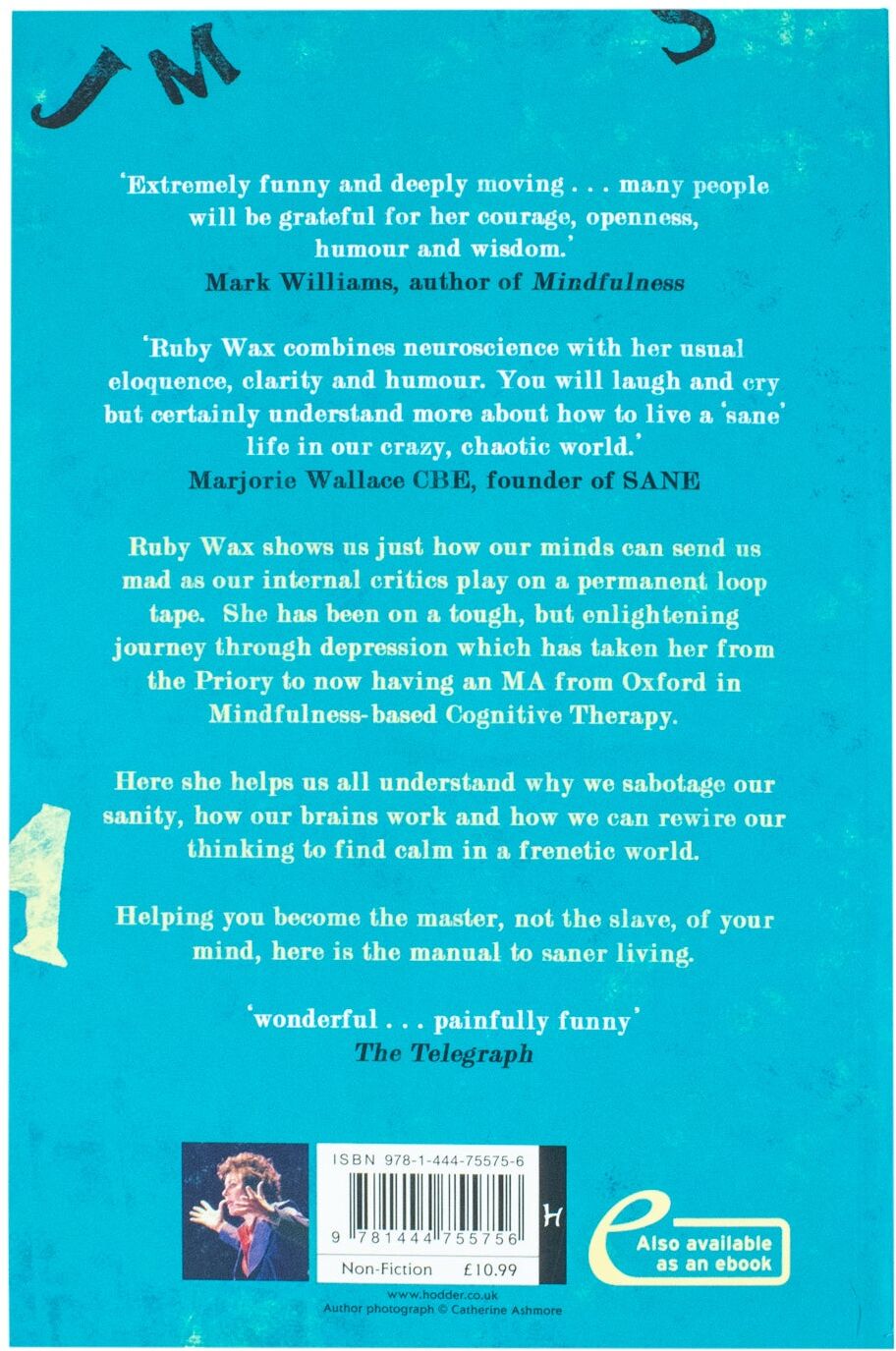
HODDER PUBLISHING Sane New World: Taming the Mind by Ruby Wax – Mental Health & Mindfulness GuideThe mental health and mindfulness bestseller from A Mindfulness Guide for the Frazzled and How to be Human author Ruby Wax; who shows us why and how our minds can send us mad and how we can rewire our thinking to calm ourselves in a frenetic world. 'Finally - a map for the troubled human mind. And it's funny.' -Caitlin Moran Ruby Wax - comedian; writer and mental health campaigner - shows us how our minds can jeopardize our sanity. With her own periods of depression and now a Masters from Oxford in Mindfulness-based Cognitive Therapy to draw from; she explains how our busy; chattering; self-critical thoughts drive us to anxiety and stress. If we are to break the cycle; we need to understand how our brains work; rewire our thinking and find calm in a frenetic world. Helping you become the master; not the slave; of your mind; here is the manual to saner living.4,90 £*Shipping: 1,99 £Secure redirect to the provider

-
Is that Yezid ibn Muawiyah?
Yes, that is Yezid ibn Muawiyah. He was the second Umayyad caliph and ruled from 680 to 683. Yezid ibn Muawiyah is a controversial figure in Islamic history, known for his role in the events leading to the Battle of Karbala and the martyrdom of Imam Hussein. His rule was marked by internal conflicts and opposition from various factions within the Muslim community. **
-
Who is Yezid ibn Muawiya?
Yezid ibn Muawiya was the second Umayyad caliph who ruled from 680 to 683 AD. He is known for his controversial rise to power and his role in the killing of Husayn ibn Ali, the grandson of the Prophet Muhammad, at the Battle of Karbala in 680 AD. Yezid's rule was marked by internal conflicts and opposition from various factions within the Muslim community. He is a divisive figure in Islamic history, with some viewing him as a tyrant and others as a legitimate caliph. **
-
Was Altair Ibn La Ahad real?
No, Altair Ibn La Ahad was not a real historical figure. He is a fictional character from the video game series Assassin's Creed, created by Ubisoft. The character is a member of the Assassin Brotherhood during the time of the Third Crusade in the late 12th century. While the game incorporates some historical events and figures, Altair himself is not based on a real person. **
-
Who was Al-Hasan ibn Ali?
Al-Hasan ibn Ali was the eldest son of Ali ibn Abi Talib and Fatimah, the daughter of the Prophet Muhammad. He is considered an important figure in Islamic history, particularly in the Shia tradition, where he is revered as the second Imam. Al-Hasan is known for his role in the early Islamic community, his leadership during a time of political turmoil, and his efforts to promote peace and unity among Muslims. He is also remembered for his noble character and his commitment to justice and righteousness. **


Who is Umar ibn al-Khattab?
Umar ibn al-Khattab was a close companion of the Prophet Muhammad and the second caliph of the Islamic community. He played a significant role in the early expansion of Islam and is known for his just and wise leadership. Umar is highly respected in Islamic history for his contributions to the development of the Islamic state and for his commitment to social justice and equality. He is also known for his piety and devotion to the teachings of Islam. **
Why do the Shiites curse Umar ibn al Chattab?
Shiites curse Umar ibn al Chattab because they believe he wrongfully took the caliphate from Ali, who they consider to be the rightful successor to Prophet Muhammad. They view Umar's actions as a betrayal of the Prophet's wishes and as a usurpation of power. This historical event has led to deep-seated animosity and division between the Sunni and Shiite sects of Islam. **
Top-Angebote
Products related to Ibn:
-
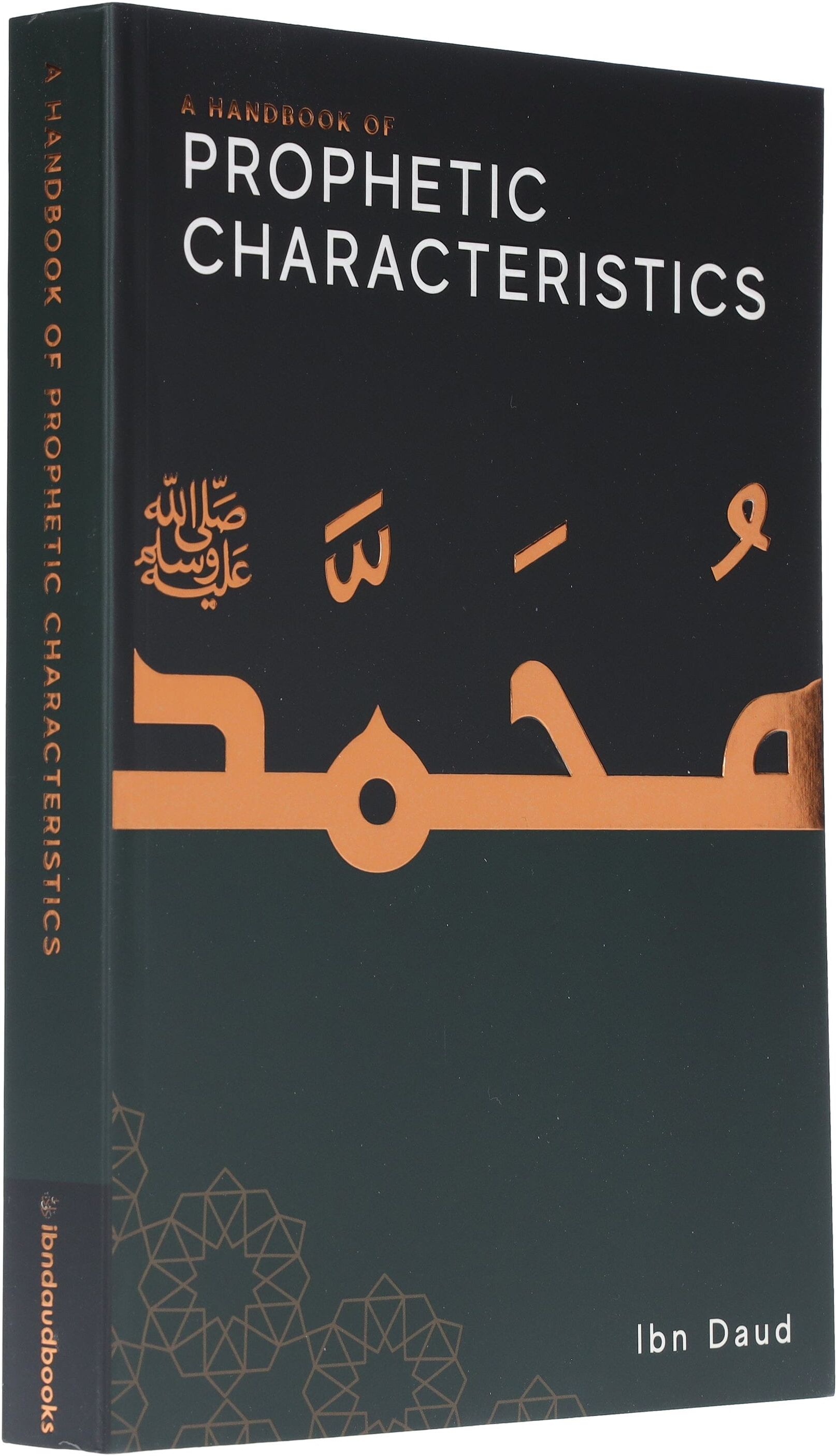
A Handbook of Prophetic Characteristics by Ibn Daud - Non Fiction - Paperback Ibn Daud BooksA Handbook of Prophetic Characteristics offers a transformative approach to embodying the timeless virtues of the Prophet Muhammad ﷺ, blending tradition with practical applications for modern life. Designed to enrich the literature on Islamic character (akhlāq), this accessible guide resonates with readers of all ages and backgrounds, whether believers or seekers of inner peace and moral clarity. Through 26 Prophetic qualities, such as humility, generosity, sincerity, moderation, and forbearance, each chapter provides definitions, reflections, practical steps, and supplications to support personal and spiritual growth, all rooted in Qur'anic verses and ahadith (Prophetic sayings). Dedicated journalling spaces encourage self-reflection and help-readers draw closer to the example of the Prophet Muhammad ﷺ (PBUH). Organised around a framework of knowledge-seeking, self-reflection, mentorship, prayer, and continual striving, this handbook offers tools for profound transformation. As a structured user-friendly guide, it's crafted for individuals, families, and educational institutions, equipping the Ummah with the Prophet ﷺ (PBUH) as the ultimate moral compass for upholding virtues like justice, contentment, and trustworthiness values critical in today's fast- paced world.19,99 £*Shipping: 2,99 £Secure redirect to the provider
-
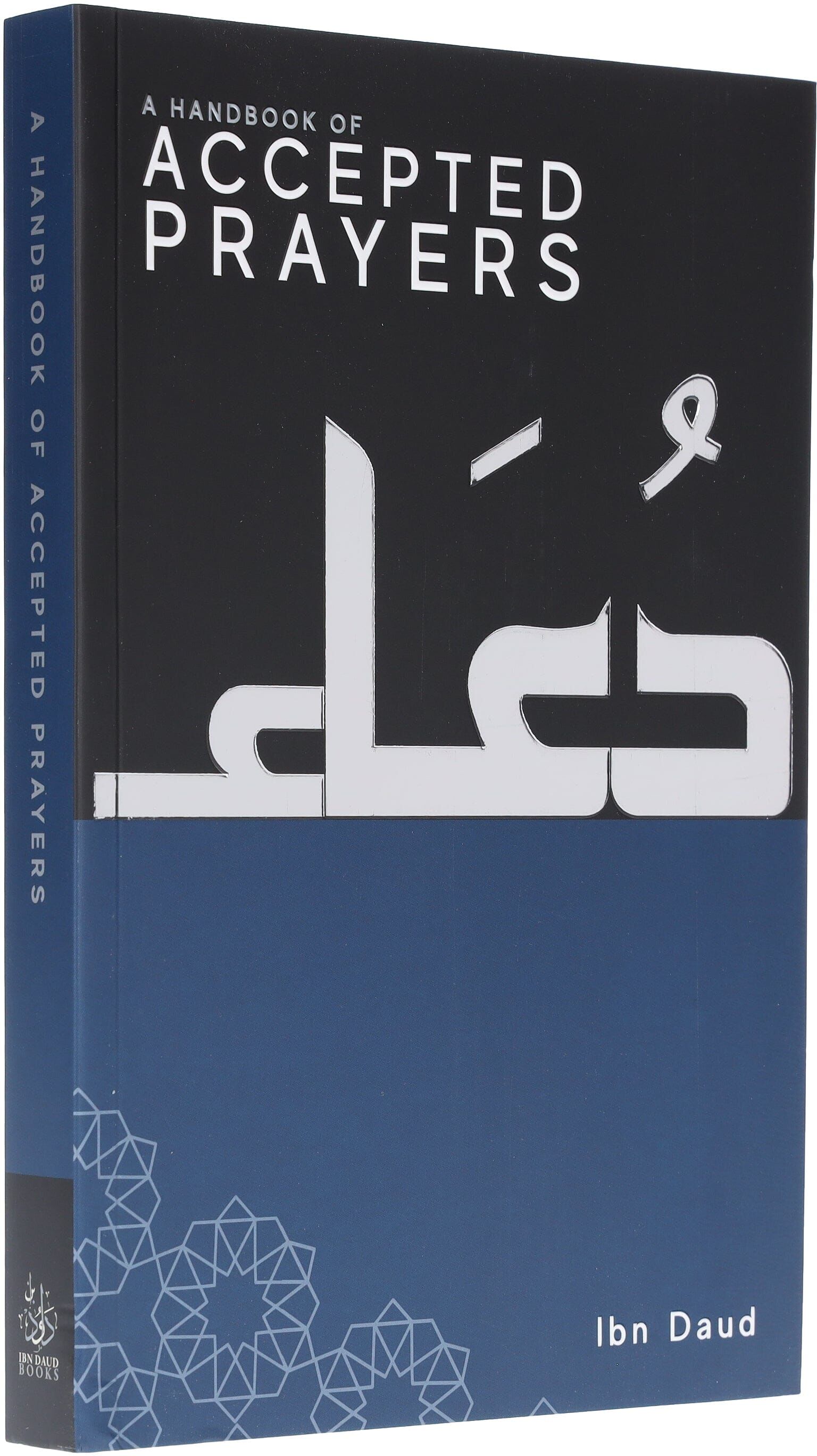
A Handbook of Accepted Prayers by Ibn Daud - Non Fiction - Paperback Ibn Daud BooksUnhealthy addictions and depression are widespread: some of us find the uncertainty and emotional darkness eating away at us. 700 years ago, a diligent Muslim scholar told of a cost-free universal psychotherapeutic cure, writing: "Happiness comes with sincere du'a." He was Al-Qayyim Al-Jawziyyah (RA); his teacher was Ibn Taymiyyah (RA). Riding on the coat-tails of our pious predecessors, we too seek routes to accepted prayers and eternal reward within the tradition of the Holy Qur'an and authentic ahadith (Prophetic sayings). This book builds on the debut A Handbook of Spiritual Medicine and isn't simply a compilation of recommended du'as. Instead, it is a carefully considered framework that aligns our emotions with the most beautiful du'as, all of which have a profound constructive purpose: the aim is to transport us smilingly and with the noblest etiquette towards the ma'arifat (higher knowledge of Allah SWT) and istiqamah (steadfastness) that every Muslim seeks, deep down.14,99 £*Shipping: 2,99 £Secure redirect to the provider
-
A Handbook Series of Spiritual Medicine & Accepted Prayers by Ibn Daud 2 Books Collection Box Set - Non Fiction - Paperback Ibn Daud BooksTitles in this Set: 1. A Handbook of Spiritual Medicine 2. A Handbook of Accepted Prayers Description: A Handbook of Spiritual Medicine This spiritual guide to the self is a handbook of tazkiyah or 'self-purification'. Not only does it illustrate the maladies of the human spiritual condition, it recognises the struggles and insecurities we all succumb to from time to time, and offers up the remedies too. The antidotes to our ailments are drawn from Qur'anic verses and authenticate ahadith (Prophetic sayings), inspiring mindfulness of the Almighty Cherisher (SWT) and His Beloved Prophetﷺ (PBUH). This guidebook, drawing on the 11th and 12th Century works of the 'Proof of Islam' and the wondrous sage, Imam Abu Hamid Al-Ghazali can be applied to our busy lives in the modern, hi-tech era, and will prove accessible to people of all ages, all denominations: believers and non-believers alike. A Handbook of Accepted Prayers Unhealthy addictions and depression are widespread: some of us find the uncertainty and emotional darkness eating away at us. 700 years ago, a diligent Muslim scholar told of a cost-free universal psychotherapeutic cure, writing: "Happiness comes with sincere du'a." He was Al-Qayyim Al-Jawziyyah (RA); his teacher was Ibn Taymiyyah (RA). Riding on the coat-tails of our pious predecessors, we too seek routes to accepted prayers and eternal reward within the tradition of the Holy Qur'an and authentic ahadith (Prophetic sayings). This book builds on the debut A Handbook of Spiritual Medicine and isn't simply a compilation of recommended du'as. Instead, it is a carefully considered framework that aligns our emotions with the most beautiful du'as, all of which have a profound constructive purpose: the aim is to transport us smilingly and with the noblest etiquette towards the ma'arifat (higher knowledge of Allah SWT) and istiqamah (steadfastness) that every Muslim seeks, deep down.32,99 £*Shipping: 2,99 £Secure redirect to the provider
-
DK Ayurveda: An Ancient System of Holistic Health to Bring Balance and Wellness to Your Life (A Little Book of Self Care)Make Ayurveda an indispensable part of your daily routine with this step-by-step guide to holistic balance and wellness. For a natural approach to self-healing, alternative medicine, and wellness, expert Sonja Shah-Williams has tailored remedies including Ayurveda recipes, skincare, yoga, and mindful meditation techniques. Harness the power of alternative therapies and discover: - What Ayurveda is and the benefits of the practice - Easy to follow, step by step illustrated guide to Ayurvedic practices - Ayurvedic super-foods and recipes - How to easily incorporate holistic practices into daily life - Positive affirmations, mindfulness techniques and exercises Modern science has proved the effectiveness of Ayurveda as a view of the world based on ancient beliefs that everything is connected and that balance is the key to wellbeing. Ayurveda focuses on the prevention of disease by focusing on anti-inflammatory diets, mindful meditation, and massages. This practical guide is an Ayurvedic consultation at your disposal. This little self-care book will take you on a breathtaking journey of holistic healing. It begins by unpacking what Ayurveda is and the benefits of the practice. This reference book includes wellness practices designed to uplift the mind, body, and spirit and healing treatments designed to address, relieve, and help cure a range of common conditions.4,95 £*Shipping: 1,99 £Secure redirect to the provider
-
Was Ibn Taymiyyah a racist?
There is no evidence to suggest that Ibn Taymiyyah was a racist. He was a prominent Islamic scholar known for his extensive knowledge of Islamic jurisprudence and theology. While some of his writings have been interpreted as being critical of certain groups or beliefs, there is no indication that he held racist views. It is important to consider the historical context in which he lived and the complexities of his writings before making such judgments. **
-
Who killed Ali ibn Talib?
Ali ibn Talib, the cousin and son-in-law of the Prophet Muhammad, was assassinated by a man named Abd-al-Rahman ibn Muljam. Ibn Muljam was a member of the Kharijites, a group that opposed Ali's leadership and believed in taking extreme measures to enforce their beliefs. In 661 AD, Ibn Muljam attacked Ali with a poisoned sword while he was praying in the mosque in Kufa, Iraq. Ali succumbed to his injuries and died two days later. **
-
Is that Yezid ibn Muawiyah?
Yes, that is Yezid ibn Muawiyah. He was the second Umayyad caliph and ruled from 680 to 683. Yezid ibn Muawiyah is a controversial figure in Islamic history, known for his role in the events leading to the Battle of Karbala and the martyrdom of Imam Hussein. His rule was marked by internal conflicts and opposition from various factions within the Muslim community. **
-
Who is Yezid ibn Muawiya?
Yezid ibn Muawiya was the second Umayyad caliph who ruled from 680 to 683 AD. He is known for his controversial rise to power and his role in the killing of Husayn ibn Ali, the grandson of the Prophet Muhammad, at the Battle of Karbala in 680 AD. Yezid's rule was marked by internal conflicts and opposition from various factions within the Muslim community. He is a divisive figure in Islamic history, with some viewing him as a tyrant and others as a legitimate caliph. **
Similar search terms for Ibn
-
DK Practical Ayurveda – Find Out Who You Are and What You Need to Bring Balance to Your Life Holistic Health & Ayurvedic Wellness GuideDiscover the ancient wisdom of Ayurveda with Practical Ayurveda: Find Out Who You Are and What You Need to Bring Balance to Your Life, a clear and accessible guide to holistic wellbeing. Rooted in centuries of traditional Indian medicine, Ayurveda focuses on understanding your unique body type—or dosha—to achieve harmony between body, mind, and spirit. This practical guide helps readers identify their personal constitution and learn simple lifestyle, diet, and wellness practices to restore natural balance. Through easy explanations, self-assessment tools, and practical advice, this book introduces readers to Ayurvedic principles including nutrition, daily routines, herbal remedies, and mindful living. What You’ll Discover: How to identify your Ayurvedic dosha (Vata, Pitta, or Kapha) Practical tips for improving health, energy, and balance Guidance on Ayurvedic diet and lifestyle practices Natural approaches to managing stress and wellbeing Simple steps to integrate ancient wisdom into modern life Perfect for beginners and anyone interested in natural health, holistic living, and mind-body balance, Practical Ayurveda offers an inspiring introduction to one of the world’s oldest healing traditions.7,99 £*Shipping: 2,99 £Secure redirect to the provider
-
HODDER PUBLISHING Sane New World: Taming the Mind by Ruby Wax – Mental Health & Mindfulness GuideThe mental health and mindfulness bestseller from A Mindfulness Guide for the Frazzled and How to be Human author Ruby Wax; who shows us why and how our minds can send us mad and how we can rewire our thinking to calm ourselves in a frenetic world. 'Finally - a map for the troubled human mind. And it's funny.' -Caitlin Moran Ruby Wax - comedian; writer and mental health campaigner - shows us how our minds can jeopardize our sanity. With her own periods of depression and now a Masters from Oxford in Mindfulness-based Cognitive Therapy to draw from; she explains how our busy; chattering; self-critical thoughts drive us to anxiety and stress. If we are to break the cycle; we need to understand how our brains work; rewire our thinking and find calm in a frenetic world. Helping you become the master; not the slave; of your mind; here is the manual to saner living.4,90 £*Shipping: 1,99 £Secure redirect to the provider
-
KitchenCuration Healing Quartz Crystal Water Bottle For Wellness & Energy Balance FluoriteRefresh your daily routine with a beautifully designed crystal water bottle that combines mindful living with elegant style. Crafted for wellness enthusiasts, yoga lovers, and anyone seeking a calming hydration experience, this bottle features a...49,97 $*Shipping: 0,00 $Secure redirect to the provider
-
KitchenCuration Healing Quartz Crystal Water Bottle For Wellness & Energy Balance Amethyst PurpleRefresh your daily routine with a beautifully designed crystal water bottle that combines mindful living with elegant style. Crafted for wellness enthusiasts, yoga lovers, and anyone seeking a calming hydration experience, this bottle features a...53,97 $*Shipping: 0,00 $Secure redirect to the provider
-
Was Altair Ibn La Ahad real?
No, Altair Ibn La Ahad was not a real historical figure. He is a fictional character from the video game series Assassin's Creed, created by Ubisoft. The character is a member of the Assassin Brotherhood during the time of the Third Crusade in the late 12th century. While the game incorporates some historical events and figures, Altair himself is not based on a real person. **
-
Who was Al-Hasan ibn Ali?
Al-Hasan ibn Ali was the eldest son of Ali ibn Abi Talib and Fatimah, the daughter of the Prophet Muhammad. He is considered an important figure in Islamic history, particularly in the Shia tradition, where he is revered as the second Imam. Al-Hasan is known for his role in the early Islamic community, his leadership during a time of political turmoil, and his efforts to promote peace and unity among Muslims. He is also remembered for his noble character and his commitment to justice and righteousness. **
-
Who is Umar ibn al-Khattab?
Umar ibn al-Khattab was a close companion of the Prophet Muhammad and the second caliph of the Islamic community. He played a significant role in the early expansion of Islam and is known for his just and wise leadership. Umar is highly respected in Islamic history for his contributions to the development of the Islamic state and for his commitment to social justice and equality. He is also known for his piety and devotion to the teachings of Islam. **
-
Why do the Shiites curse Umar ibn al Chattab?
Shiites curse Umar ibn al Chattab because they believe he wrongfully took the caliphate from Ali, who they consider to be the rightful successor to Prophet Muhammad. They view Umar's actions as a betrayal of the Prophet's wishes and as a usurpation of power. This historical event has led to deep-seated animosity and division between the Sunni and Shiite sects of Islam. **
* All prices are inclusive of VAT and, if applicable, plus shipping costs. The offer information is based on the details provided by the respective shop and is updated through automated processes. Real-time updates do not occur, so deviations can occur in individual cases. ** Note: Parts of this content were created by AI.