Buy siendo.eu ?
We are moving the project
siendo.eu .
Are you interested in purchasing the domain
siendo.eu ?
domain@kv-gmbh.de · 0541-91531010
Buy siendo.eu ?
What are orchestral arrangements?
Orchestral arrangements refer to the musical composition and organization of a piece of music for an orchestra. This involves determining which instruments will play which parts, as well as the overall structure and dynamics of the piece. Orchestral arrangements can involve adapting a piece of music originally written for a different ensemble or creating a new arrangement of an existing composition. The goal of orchestral arrangements is to showcase the unique timbres and capabilities of the various instruments in the orchestra while creating a cohesive and expressive musical performance. **
What is an orchestral musician?
An orchestral musician is a professional musician who plays a musical instrument as part of an orchestra. They are highly skilled in their instrument and are able to perform a wide range of musical styles and genres. Orchestral musicians work together with other musicians in the orchestra to create a cohesive and harmonious sound, following the direction of a conductor. They often perform in concert halls, theaters, and other venues, bringing music to audiences around the world. **


Similar search terms for Orchestral
Top-Angebote
Products related to Orchestral:
-
HODDER PUBLISHING Sane New World: Taming the Mind by Ruby Wax – Mental Health & Mindfulness GuideThe mental health and mindfulness bestseller from A Mindfulness Guide for the Frazzled and How to be Human author Ruby Wax; who shows us why and how our minds can send us mad and how we can rewire our thinking to calm ourselves in a frenetic world. 'Finally - a map for the troubled human mind. And it's funny.' -Caitlin Moran Ruby Wax - comedian; writer and mental health campaigner - shows us how our minds can jeopardize our sanity. With her own periods of depression and now a Masters from Oxford in Mindfulness-based Cognitive Therapy to draw from; she explains how our busy; chattering; self-critical thoughts drive us to anxiety and stress. If we are to break the cycle; we need to understand how our brains work; rewire our thinking and find calm in a frenetic world. Helping you become the master; not the slave; of your mind; here is the manual to saner living.4,90 £*Shipping: 1,99 £Secure redirect to the provider
-
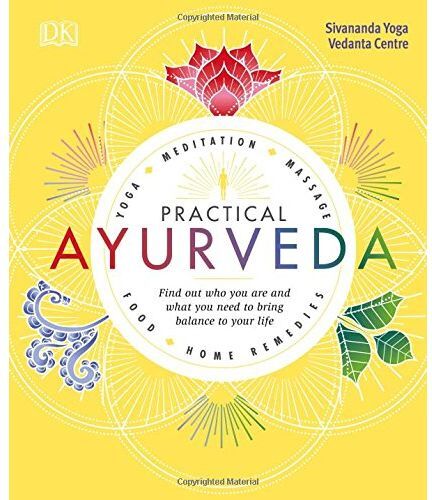
DK Practical Ayurveda – Find Out Who You Are and What You Need to Bring Balance to Your Life Holistic Health & Ayurvedic Wellness GuideDiscover the ancient wisdom of Ayurveda with Practical Ayurveda: Find Out Who You Are and What You Need to Bring Balance to Your Life, a clear and accessible guide to holistic wellbeing. Rooted in centuries of traditional Indian medicine, Ayurveda focuses on understanding your unique body type—or dosha—to achieve harmony between body, mind, and spirit. This practical guide helps readers identify their personal constitution and learn simple lifestyle, diet, and wellness practices to restore natural balance. Through easy explanations, self-assessment tools, and practical advice, this book introduces readers to Ayurvedic principles including nutrition, daily routines, herbal remedies, and mindful living. What You’ll Discover: How to identify your Ayurvedic dosha (Vata, Pitta, or Kapha) Practical tips for improving health, energy, and balance Guidance on Ayurvedic diet and lifestyle practices Natural approaches to managing stress and wellbeing Simple steps to integrate ancient wisdom into modern life Perfect for beginners and anyone interested in natural health, holistic living, and mind-body balance, Practical Ayurveda offers an inspiring introduction to one of the world’s oldest healing traditions.7,99 £*Shipping: 2,99 £Secure redirect to the provider
-
KitchenCuration Healing Quartz Crystal Water Bottle For Wellness & Energy Balance FluoriteRefresh your daily routine with a beautifully designed crystal water bottle that combines mindful living with elegant style. Crafted for wellness enthusiasts, yoga lovers, and anyone seeking a calming hydration experience, this bottle features a...49,97 $*Shipping: 0,00 $Secure redirect to the provider
-
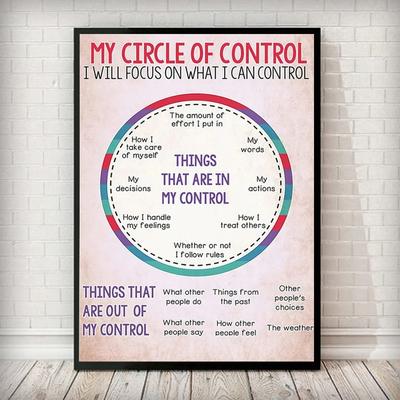
Uplift Essentials "Social Worker ""My Control Circle"" Poster Mental Health Mindfulness Print Professional Office Wall Decor & Counselor 20x28 In""Empower your workspace and inspire your clients with our Social Worker ""My Control Circle"" Poster. This essential mental health professional artwork serves as both a beautiful decoration and a functional therapeutic tool. Featuring a clean,..."74,97 $*Shipping: 0,00 $Secure redirect to the provider


-
What are orchestral cyclic large forms?
Orchestral cyclic large forms are musical compositions that consist of multiple movements or sections that are thematically related and interconnected. These forms often feature recurring motifs or themes that unify the different parts of the composition. The cyclic nature of these forms allows for a sense of cohesion and continuity throughout the entire piece. Examples of orchestral cyclic large forms include symphonies, concertos, and tone poems. **
-
How can one compose virtual orchestral music?
To compose virtual orchestral music, one can start by choosing a digital audio workstation (DAW) software that supports orchestral sample libraries. Next, select high-quality orchestral sample libraries that include a variety of instruments such as strings, brass, woodwinds, and percussion. Then, familiarize oneself with the different articulations and techniques available for each instrument to create realistic and expressive performances. Finally, arrange the orchestral parts, paying attention to dynamics, phrasing, and balance to achieve a cohesive and emotive composition. **
-
How can one compose orchestral digital music?
To compose orchestral digital music, one can start by selecting a digital audio workstation (DAW) software that supports orchestral sounds and instruments. Next, they can choose high-quality orchestral sample libraries or virtual instruments to create realistic orchestral sounds. It is important to have a good understanding of orchestration and music theory to effectively arrange the different instruments in the composition. Experimenting with different combinations of instruments, melodies, harmonies, and rhythms can help in creating a dynamic and engaging orchestral piece. **
-
What is the orchestral instrumentation in classical music?
Orchestral instrumentation in classical music typically includes four main families of instruments: strings (violins, violas, cellos, double basses), woodwinds (flutes, oboes, clarinets, bassoons), brass (trumpets, French horns, trombones, tuba), and percussion (timpani, snare drum, cymbals). Each family of instruments plays a unique role in creating the rich and diverse sound of the orchestra. The combination of these instruments allows composers to create a wide range of textures and dynamics in their compositions, making orchestral music one of the most versatile and expressive forms of music. **


What is the orchestral lineup in classical music?
The orchestral lineup in classical music typically consists of four main sections: strings, woodwinds, brass, and percussion. Each section is made up of various instruments, with the strings section including instruments such as violins, violas, cellos, and double basses; the woodwinds section including instruments like flutes, clarinets, oboes, and bassoons; the brass section including instruments like trumpets, trombones, French horns, and tubas; and the percussion section including instruments like timpani, snare drums, cymbals, and xylophones. Additionally, some orchestras may also include other instruments such as harps, keyboards, and additional percussion instruments. **
Can you please give a presentation about orchestral instruments?
Orchestral instruments are divided into four main families: strings, woodwinds, brass, and percussion. String instruments include the violin, viola, cello, and double bass, which produce sound by vibrating strings. Woodwind instruments, such as the flute, clarinet, and oboe, create sound by blowing air through a mouthpiece. Brass instruments like the trumpet, trombone, and French horn produce sound by buzzing lips into a mouthpiece. Percussion instruments, including the timpani, snare drum, and cymbals, produce sound by being struck or shaken. Each family of instruments plays a unique role in an orchestra, coming together to create a harmonious and dynamic musical experience. **
Top-Angebote
Products related to Orchestral:
-
Rockburn RockJam Adjustable Orchestral Sheet Music StandThe deluxe orchsetral sheet music stand is a high quality, robust and sturdy stand fit for all purposes and playing positions. It features a large 475mm x 345mm book plate which can be angled, while its strurdy tripod base offers a confident stance wherever placed. Large 475mm x 345mm book plate with fully adjustable angle. Matt black finsh. Fully adjustable from 940mm to 1420mm (from floor to top). Model g905. Batteries (not included). Suitable for suitable for all sheet music. Size H61.5, W36.5, D12.5cm....38,49 £*Shipping: 0,00 £Secure redirect to the provider
-
DK Ayurveda: An Ancient System of Holistic Health to Bring Balance and Wellness to Your Life (A Little Book of Self Care)Make Ayurveda an indispensable part of your daily routine with this step-by-step guide to holistic balance and wellness. For a natural approach to self-healing, alternative medicine, and wellness, expert Sonja Shah-Williams has tailored remedies including Ayurveda recipes, skincare, yoga, and mindful meditation techniques. Harness the power of alternative therapies and discover: - What Ayurveda is and the benefits of the practice - Easy to follow, step by step illustrated guide to Ayurvedic practices - Ayurvedic super-foods and recipes - How to easily incorporate holistic practices into daily life - Positive affirmations, mindfulness techniques and exercises Modern science has proved the effectiveness of Ayurveda as a view of the world based on ancient beliefs that everything is connected and that balance is the key to wellbeing. Ayurveda focuses on the prevention of disease by focusing on anti-inflammatory diets, mindful meditation, and massages. This practical guide is an Ayurvedic consultation at your disposal. This little self-care book will take you on a breathtaking journey of holistic healing. It begins by unpacking what Ayurveda is and the benefits of the practice. This reference book includes wellness practices designed to uplift the mind, body, and spirit and healing treatments designed to address, relieve, and help cure a range of common conditions.4,95 £*Shipping: 1,99 £Secure redirect to the provider
-
HODDER PUBLISHING Sane New World: Taming the Mind by Ruby Wax – Mental Health & Mindfulness GuideThe mental health and mindfulness bestseller from A Mindfulness Guide for the Frazzled and How to be Human author Ruby Wax; who shows us why and how our minds can send us mad and how we can rewire our thinking to calm ourselves in a frenetic world. 'Finally - a map for the troubled human mind. And it's funny.' -Caitlin Moran Ruby Wax - comedian; writer and mental health campaigner - shows us how our minds can jeopardize our sanity. With her own periods of depression and now a Masters from Oxford in Mindfulness-based Cognitive Therapy to draw from; she explains how our busy; chattering; self-critical thoughts drive us to anxiety and stress. If we are to break the cycle; we need to understand how our brains work; rewire our thinking and find calm in a frenetic world. Helping you become the master; not the slave; of your mind; here is the manual to saner living.4,90 £*Shipping: 1,99 £Secure redirect to the provider
-
DK Practical Ayurveda – Find Out Who You Are and What You Need to Bring Balance to Your Life Holistic Health & Ayurvedic Wellness GuideDiscover the ancient wisdom of Ayurveda with Practical Ayurveda: Find Out Who You Are and What You Need to Bring Balance to Your Life, a clear and accessible guide to holistic wellbeing. Rooted in centuries of traditional Indian medicine, Ayurveda focuses on understanding your unique body type—or dosha—to achieve harmony between body, mind, and spirit. This practical guide helps readers identify their personal constitution and learn simple lifestyle, diet, and wellness practices to restore natural balance. Through easy explanations, self-assessment tools, and practical advice, this book introduces readers to Ayurvedic principles including nutrition, daily routines, herbal remedies, and mindful living. What You’ll Discover: How to identify your Ayurvedic dosha (Vata, Pitta, or Kapha) Practical tips for improving health, energy, and balance Guidance on Ayurvedic diet and lifestyle practices Natural approaches to managing stress and wellbeing Simple steps to integrate ancient wisdom into modern life Perfect for beginners and anyone interested in natural health, holistic living, and mind-body balance, Practical Ayurveda offers an inspiring introduction to one of the world’s oldest healing traditions.7,99 £*Shipping: 2,99 £Secure redirect to the provider
-
What are orchestral arrangements?
Orchestral arrangements refer to the musical composition and organization of a piece of music for an orchestra. This involves determining which instruments will play which parts, as well as the overall structure and dynamics of the piece. Orchestral arrangements can involve adapting a piece of music originally written for a different ensemble or creating a new arrangement of an existing composition. The goal of orchestral arrangements is to showcase the unique timbres and capabilities of the various instruments in the orchestra while creating a cohesive and expressive musical performance. **
-
What is an orchestral musician?
An orchestral musician is a professional musician who plays a musical instrument as part of an orchestra. They are highly skilled in their instrument and are able to perform a wide range of musical styles and genres. Orchestral musicians work together with other musicians in the orchestra to create a cohesive and harmonious sound, following the direction of a conductor. They often perform in concert halls, theaters, and other venues, bringing music to audiences around the world. **
-
What are orchestral cyclic large forms?
Orchestral cyclic large forms are musical compositions that consist of multiple movements or sections that are thematically related and interconnected. These forms often feature recurring motifs or themes that unify the different parts of the composition. The cyclic nature of these forms allows for a sense of cohesion and continuity throughout the entire piece. Examples of orchestral cyclic large forms include symphonies, concertos, and tone poems. **
-
How can one compose virtual orchestral music?
To compose virtual orchestral music, one can start by choosing a digital audio workstation (DAW) software that supports orchestral sample libraries. Next, select high-quality orchestral sample libraries that include a variety of instruments such as strings, brass, woodwinds, and percussion. Then, familiarize oneself with the different articulations and techniques available for each instrument to create realistic and expressive performances. Finally, arrange the orchestral parts, paying attention to dynamics, phrasing, and balance to achieve a cohesive and emotive composition. **
Similar search terms for Orchestral
-
KitchenCuration Healing Quartz Crystal Water Bottle For Wellness & Energy Balance FluoriteRefresh your daily routine with a beautifully designed crystal water bottle that combines mindful living with elegant style. Crafted for wellness enthusiasts, yoga lovers, and anyone seeking a calming hydration experience, this bottle features a...49,97 $*Shipping: 0,00 $Secure redirect to the provider
-
Uplift Essentials "Social Worker ""My Control Circle"" Poster Mental Health Mindfulness Print Professional Office Wall Decor & Counselor 20x28 In""Empower your workspace and inspire your clients with our Social Worker ""My Control Circle"" Poster. This essential mental health professional artwork serves as both a beautiful decoration and a functional therapeutic tool. Featuring a clean,..."74,97 $*Shipping: 0,00 $Secure redirect to the provider
-
KitchenCuration Healing Quartz Crystal Water Bottle For Wellness & Energy Balance Rose QuartzRefresh your daily routine with a beautifully designed crystal water bottle that combines mindful living with elegant style. Crafted for wellness enthusiasts, yoga lovers, and anyone seeking a calming hydration experience, this bottle features a...49,97 $*Shipping: 0,00 $Secure redirect to the provider
-
KitchenCuration Healing Quartz Crystal Water Bottle For Wellness & Energy Balance Amethyst PurpleRefresh your daily routine with a beautifully designed crystal water bottle that combines mindful living with elegant style. Crafted for wellness enthusiasts, yoga lovers, and anyone seeking a calming hydration experience, this bottle features a...53,97 $*Shipping: 0,00 $Secure redirect to the provider
-
How can one compose orchestral digital music?
To compose orchestral digital music, one can start by selecting a digital audio workstation (DAW) software that supports orchestral sounds and instruments. Next, they can choose high-quality orchestral sample libraries or virtual instruments to create realistic orchestral sounds. It is important to have a good understanding of orchestration and music theory to effectively arrange the different instruments in the composition. Experimenting with different combinations of instruments, melodies, harmonies, and rhythms can help in creating a dynamic and engaging orchestral piece. **
-
What is the orchestral instrumentation in classical music?
Orchestral instrumentation in classical music typically includes four main families of instruments: strings (violins, violas, cellos, double basses), woodwinds (flutes, oboes, clarinets, bassoons), brass (trumpets, French horns, trombones, tuba), and percussion (timpani, snare drum, cymbals). Each family of instruments plays a unique role in creating the rich and diverse sound of the orchestra. The combination of these instruments allows composers to create a wide range of textures and dynamics in their compositions, making orchestral music one of the most versatile and expressive forms of music. **
-
What is the orchestral lineup in classical music?
The orchestral lineup in classical music typically consists of four main sections: strings, woodwinds, brass, and percussion. Each section is made up of various instruments, with the strings section including instruments such as violins, violas, cellos, and double basses; the woodwinds section including instruments like flutes, clarinets, oboes, and bassoons; the brass section including instruments like trumpets, trombones, French horns, and tubas; and the percussion section including instruments like timpani, snare drums, cymbals, and xylophones. Additionally, some orchestras may also include other instruments such as harps, keyboards, and additional percussion instruments. **
-
Can you please give a presentation about orchestral instruments?
Orchestral instruments are divided into four main families: strings, woodwinds, brass, and percussion. String instruments include the violin, viola, cello, and double bass, which produce sound by vibrating strings. Woodwind instruments, such as the flute, clarinet, and oboe, create sound by blowing air through a mouthpiece. Brass instruments like the trumpet, trombone, and French horn produce sound by buzzing lips into a mouthpiece. Percussion instruments, including the timpani, snare drum, and cymbals, produce sound by being struck or shaken. Each family of instruments plays a unique role in an orchestra, coming together to create a harmonious and dynamic musical experience. **
* All prices are inclusive of VAT and, if applicable, plus shipping costs. The offer information is based on the details provided by the respective shop and is updated through automated processes. Real-time updates do not occur, so deviations can occur in individual cases. ** Note: Parts of this content were created by AI.