Buy siendo.eu ?
We are moving the project
siendo.eu .
Are you interested in purchasing the domain
siendo.eu ?
domain@kv-gmbh.de · 0541-91531010
Buy siendo.eu ?
Why is the acetone molecule a dipole molecule?
The acetone molecule is a dipole molecule because it has a region of partial positive charge and a region of partial negative charge. This is due to the difference in electronegativity between the carbon and oxygen atoms in the molecule. The oxygen atom is more electronegative than the carbon atom, causing it to attract the shared electrons more strongly and acquire a partial negative charge, while the carbon atom becomes partially positive. This unequal distribution of charge creates a dipole moment in the acetone molecule, making it a dipole molecule. **
Is octane a dipole molecule or a nonpolar molecule?
Octane is a nonpolar molecule. This is because it consists of only carbon and hydrogen atoms, which have similar electronegativities and therefore do not create a significant difference in charge distribution within the molecule. As a result, there is no separation of positive and negative charges, making it nonpolar. **

Similar search terms for Molecule
Top-Angebote
Products related to Molecule:
-
DK Ayurveda: An Ancient System of Holistic Health to Bring Balance and Wellness to Your Life (A Little Book of Self Care)Make Ayurveda an indispensable part of your daily routine with this step-by-step guide to holistic balance and wellness. For a natural approach to self-healing, alternative medicine, and wellness, expert Sonja Shah-Williams has tailored remedies including Ayurveda recipes, skincare, yoga, and mindful meditation techniques. Harness the power of alternative therapies and discover: - What Ayurveda is and the benefits of the practice - Easy to follow, step by step illustrated guide to Ayurvedic practices - Ayurvedic super-foods and recipes - How to easily incorporate holistic practices into daily life - Positive affirmations, mindfulness techniques and exercises Modern science has proved the effectiveness of Ayurveda as a view of the world based on ancient beliefs that everything is connected and that balance is the key to wellbeing. Ayurveda focuses on the prevention of disease by focusing on anti-inflammatory diets, mindful meditation, and massages. This practical guide is an Ayurvedic consultation at your disposal. This little self-care book will take you on a breathtaking journey of holistic healing. It begins by unpacking what Ayurveda is and the benefits of the practice. This reference book includes wellness practices designed to uplift the mind, body, and spirit and healing treatments designed to address, relieve, and help cure a range of common conditions.4,95 £*Shipping: 1,99 £Secure redirect to the provider
-
DK Practical Ayurveda – Find Out Who You Are and What You Need to Bring Balance to Your Life Holistic Health & Ayurvedic Wellness GuideDiscover the ancient wisdom of Ayurveda with Practical Ayurveda: Find Out Who You Are and What You Need to Bring Balance to Your Life, a clear and accessible guide to holistic wellbeing. Rooted in centuries of traditional Indian medicine, Ayurveda focuses on understanding your unique body type—or dosha—to achieve harmony between body, mind, and spirit. This practical guide helps readers identify their personal constitution and learn simple lifestyle, diet, and wellness practices to restore natural balance. Through easy explanations, self-assessment tools, and practical advice, this book introduces readers to Ayurvedic principles including nutrition, daily routines, herbal remedies, and mindful living. What You’ll Discover: How to identify your Ayurvedic dosha (Vata, Pitta, or Kapha) Practical tips for improving health, energy, and balance Guidance on Ayurvedic diet and lifestyle practices Natural approaches to managing stress and wellbeing Simple steps to integrate ancient wisdom into modern life Perfect for beginners and anyone interested in natural health, holistic living, and mind-body balance, Practical Ayurveda offers an inspiring introduction to one of the world’s oldest healing traditions.7,99 £*Shipping: 2,99 £Secure redirect to the provider
-
HODDER PUBLISHING Sane New World: Taming the Mind by Ruby Wax – Mental Health & Mindfulness GuideThe mental health and mindfulness bestseller from A Mindfulness Guide for the Frazzled and How to be Human author Ruby Wax; who shows us why and how our minds can send us mad and how we can rewire our thinking to calm ourselves in a frenetic world. 'Finally - a map for the troubled human mind. And it's funny.' -Caitlin Moran Ruby Wax - comedian; writer and mental health campaigner - shows us how our minds can jeopardize our sanity. With her own periods of depression and now a Masters from Oxford in Mindfulness-based Cognitive Therapy to draw from; she explains how our busy; chattering; self-critical thoughts drive us to anxiety and stress. If we are to break the cycle; we need to understand how our brains work; rewire our thinking and find calm in a frenetic world. Helping you become the master; not the slave; of your mind; here is the manual to saner living.4,90 £*Shipping: 1,99 £Secure redirect to the provider
-
KitchenCuration Healing Quartz Crystal Water Bottle For Wellness & Energy Balance FluoriteRefresh your daily routine with a beautifully designed crystal water bottle that combines mindful living with elegant style. Crafted for wellness enthusiasts, yoga lovers, and anyone seeking a calming hydration experience, this bottle features a...49,97 $*Shipping: 0,00 $Secure redirect to the provider




-
How does a hydrocarbon molecule react with an oxygen molecule?
When a hydrocarbon molecule reacts with an oxygen molecule, it undergoes a process called combustion. During combustion, the hydrocarbon molecule combines with the oxygen molecule to produce carbon dioxide and water, releasing energy in the form of heat and light. This reaction is exothermic, meaning it releases more energy than it consumes, making it a key process in many natural and industrial processes, such as burning fossil fuels for energy production. **
-
What is a molecule?
A molecule is a group of atoms bonded together, representing the smallest fundamental unit of a chemical compound that can take part in a chemical reaction. These atoms can be of the same element or different elements, and they are held together by chemical bonds. Molecules can vary in size and complexity, from simple diatomic molecules like oxygen (O2) to large and complex molecules like DNA. **
-
Ionic bond or molecule?
An ionic bond is formed when one atom transfers electrons to another atom, resulting in the formation of positively and negatively charged ions that are held together by electrostatic forces. On the other hand, a molecule is formed when two or more atoms share electrons to achieve a stable electron configuration. Therefore, the main difference between an ionic bond and a molecule is the way in which atoms are held together - through transfer of electrons in an ionic bond, and through sharing of electrons in a molecule. **
-
How can one recognize if a molecule is a dipole-dipole molecule?
One can recognize if a molecule is a dipole-dipole molecule by examining the electronegativity difference between the atoms in the molecule. If there is a significant difference in electronegativity between the atoms, causing an uneven distribution of electron density, the molecule is likely a dipole. Additionally, if the molecule has a symmetrical shape that cancels out the dipole moments of individual bonds, it is less likely to be a dipole-dipole molecule. Experimentally, dipole-dipole interactions can be identified through techniques such as infrared spectroscopy or measuring the molecule's dipole moment. **


How can one determine if a molecule is a dipole-dipole molecule?
A molecule is considered a dipole-dipole molecule if it has a significant difference in electronegativity between the atoms involved in the covalent bond. This results in an uneven distribution of electron density, creating a partial positive and partial negative charge on different ends of the molecule. Additionally, the molecule must have a symmetrical shape that does not cancel out the overall dipole moment. One can determine if a molecule is a dipole-dipole molecule by looking at its molecular structure and identifying the presence of polar covalent bonds and the overall molecular geometry. **
Is C6H2O a dipole molecule?
Yes, C6H2O is a dipole molecule. This is because the molecule has polar covalent bonds due to differences in electronegativity between the carbon and oxygen atoms. The oxygen atom is more electronegative than carbon, causing a separation of charge within the molecule and resulting in a net dipole moment. **
Top-Angebote
Products related to Molecule:
-
Escentric Molecules Molecule 01 EDT U 100 mlEscentric Molecules Molecule 01, 100 ml, Eaux de Toilette unisex, For everyone, no matter who you are. Escentric Molecules Molecule 01 unisex Eau de Toilette is fantastic for both women and men and will let your individuality shine through. woody fragrance musk fragrance suitable for everyday wear unisex – suitable for both women and men98,88 £*Shipping: 3,99 £Secure redirect to the provider
-
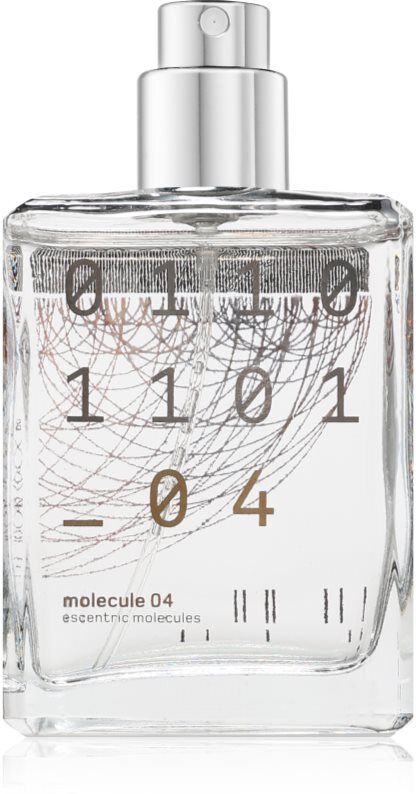
Escentric Molecules Molecule 04 EDT U 30 mlEscentric Molecules Molecule 04, 30 ml, Eaux de Toilette unisex, Discover a fragrance that doesn’t neatly fit into a box and instead brings out your individuality. Escentric Molecules Molecule 04 unisex Eau de Toilette is the right choice when you want to show off your uniqueness. woody fragrance suitable for everyday wear unisex – suitable for both women and men66,30 £*Shipping: 3,99 £Secure redirect to the provider
-
DK Ayurveda: An Ancient System of Holistic Health to Bring Balance and Wellness to Your Life (A Little Book of Self Care)Make Ayurveda an indispensable part of your daily routine with this step-by-step guide to holistic balance and wellness. For a natural approach to self-healing, alternative medicine, and wellness, expert Sonja Shah-Williams has tailored remedies including Ayurveda recipes, skincare, yoga, and mindful meditation techniques. Harness the power of alternative therapies and discover: - What Ayurveda is and the benefits of the practice - Easy to follow, step by step illustrated guide to Ayurvedic practices - Ayurvedic super-foods and recipes - How to easily incorporate holistic practices into daily life - Positive affirmations, mindfulness techniques and exercises Modern science has proved the effectiveness of Ayurveda as a view of the world based on ancient beliefs that everything is connected and that balance is the key to wellbeing. Ayurveda focuses on the prevention of disease by focusing on anti-inflammatory diets, mindful meditation, and massages. This practical guide is an Ayurvedic consultation at your disposal. This little self-care book will take you on a breathtaking journey of holistic healing. It begins by unpacking what Ayurveda is and the benefits of the practice. This reference book includes wellness practices designed to uplift the mind, body, and spirit and healing treatments designed to address, relieve, and help cure a range of common conditions.4,95 £*Shipping: 1,99 £Secure redirect to the provider
-
DK Practical Ayurveda – Find Out Who You Are and What You Need to Bring Balance to Your Life Holistic Health & Ayurvedic Wellness GuideDiscover the ancient wisdom of Ayurveda with Practical Ayurveda: Find Out Who You Are and What You Need to Bring Balance to Your Life, a clear and accessible guide to holistic wellbeing. Rooted in centuries of traditional Indian medicine, Ayurveda focuses on understanding your unique body type—or dosha—to achieve harmony between body, mind, and spirit. This practical guide helps readers identify their personal constitution and learn simple lifestyle, diet, and wellness practices to restore natural balance. Through easy explanations, self-assessment tools, and practical advice, this book introduces readers to Ayurvedic principles including nutrition, daily routines, herbal remedies, and mindful living. What You’ll Discover: How to identify your Ayurvedic dosha (Vata, Pitta, or Kapha) Practical tips for improving health, energy, and balance Guidance on Ayurvedic diet and lifestyle practices Natural approaches to managing stress and wellbeing Simple steps to integrate ancient wisdom into modern life Perfect for beginners and anyone interested in natural health, holistic living, and mind-body balance, Practical Ayurveda offers an inspiring introduction to one of the world’s oldest healing traditions.7,99 £*Shipping: 2,99 £Secure redirect to the provider
-
Why is the acetone molecule a dipole molecule?
The acetone molecule is a dipole molecule because it has a region of partial positive charge and a region of partial negative charge. This is due to the difference in electronegativity between the carbon and oxygen atoms in the molecule. The oxygen atom is more electronegative than the carbon atom, causing it to attract the shared electrons more strongly and acquire a partial negative charge, while the carbon atom becomes partially positive. This unequal distribution of charge creates a dipole moment in the acetone molecule, making it a dipole molecule. **
-
Is octane a dipole molecule or a nonpolar molecule?
Octane is a nonpolar molecule. This is because it consists of only carbon and hydrogen atoms, which have similar electronegativities and therefore do not create a significant difference in charge distribution within the molecule. As a result, there is no separation of positive and negative charges, making it nonpolar. **
-
How does a hydrocarbon molecule react with an oxygen molecule?
When a hydrocarbon molecule reacts with an oxygen molecule, it undergoes a process called combustion. During combustion, the hydrocarbon molecule combines with the oxygen molecule to produce carbon dioxide and water, releasing energy in the form of heat and light. This reaction is exothermic, meaning it releases more energy than it consumes, making it a key process in many natural and industrial processes, such as burning fossil fuels for energy production. **
-
What is a molecule?
A molecule is a group of atoms bonded together, representing the smallest fundamental unit of a chemical compound that can take part in a chemical reaction. These atoms can be of the same element or different elements, and they are held together by chemical bonds. Molecules can vary in size and complexity, from simple diatomic molecules like oxygen (O2) to large and complex molecules like DNA. **
Similar search terms for Molecule
-
HODDER PUBLISHING Sane New World: Taming the Mind by Ruby Wax – Mental Health & Mindfulness GuideThe mental health and mindfulness bestseller from A Mindfulness Guide for the Frazzled and How to be Human author Ruby Wax; who shows us why and how our minds can send us mad and how we can rewire our thinking to calm ourselves in a frenetic world. 'Finally - a map for the troubled human mind. And it's funny.' -Caitlin Moran Ruby Wax - comedian; writer and mental health campaigner - shows us how our minds can jeopardize our sanity. With her own periods of depression and now a Masters from Oxford in Mindfulness-based Cognitive Therapy to draw from; she explains how our busy; chattering; self-critical thoughts drive us to anxiety and stress. If we are to break the cycle; we need to understand how our brains work; rewire our thinking and find calm in a frenetic world. Helping you become the master; not the slave; of your mind; here is the manual to saner living.4,90 £*Shipping: 1,99 £Secure redirect to the provider
-
KitchenCuration Healing Quartz Crystal Water Bottle For Wellness & Energy Balance FluoriteRefresh your daily routine with a beautifully designed crystal water bottle that combines mindful living with elegant style. Crafted for wellness enthusiasts, yoga lovers, and anyone seeking a calming hydration experience, this bottle features a...49,97 $*Shipping: 0,00 $Secure redirect to the provider
-
KitchenCuration Healing Quartz Crystal Water Bottle For Wellness & Energy Balance Clear QuartzRefresh your daily routine with a beautifully designed crystal water bottle that combines mindful living with elegant style. Crafted for wellness enthusiasts, yoga lovers, and anyone seeking a calming hydration experience, this bottle features a...49,97 $*Shipping: 0,00 $Secure redirect to the provider
-
KitchenCuration Healing Quartz Crystal Water Bottle For Wellness & Energy Balance Rose QuartzRefresh your daily routine with a beautifully designed crystal water bottle that combines mindful living with elegant style. Crafted for wellness enthusiasts, yoga lovers, and anyone seeking a calming hydration experience, this bottle features a...49,97 $*Shipping: 0,00 $Secure redirect to the provider
-
Ionic bond or molecule?
An ionic bond is formed when one atom transfers electrons to another atom, resulting in the formation of positively and negatively charged ions that are held together by electrostatic forces. On the other hand, a molecule is formed when two or more atoms share electrons to achieve a stable electron configuration. Therefore, the main difference between an ionic bond and a molecule is the way in which atoms are held together - through transfer of electrons in an ionic bond, and through sharing of electrons in a molecule. **
-
How can one recognize if a molecule is a dipole-dipole molecule?
One can recognize if a molecule is a dipole-dipole molecule by examining the electronegativity difference between the atoms in the molecule. If there is a significant difference in electronegativity between the atoms, causing an uneven distribution of electron density, the molecule is likely a dipole. Additionally, if the molecule has a symmetrical shape that cancels out the dipole moments of individual bonds, it is less likely to be a dipole-dipole molecule. Experimentally, dipole-dipole interactions can be identified through techniques such as infrared spectroscopy or measuring the molecule's dipole moment. **
-
How can one determine if a molecule is a dipole-dipole molecule?
A molecule is considered a dipole-dipole molecule if it has a significant difference in electronegativity between the atoms involved in the covalent bond. This results in an uneven distribution of electron density, creating a partial positive and partial negative charge on different ends of the molecule. Additionally, the molecule must have a symmetrical shape that does not cancel out the overall dipole moment. One can determine if a molecule is a dipole-dipole molecule by looking at its molecular structure and identifying the presence of polar covalent bonds and the overall molecular geometry. **
-
Is C6H2O a dipole molecule?
Yes, C6H2O is a dipole molecule. This is because the molecule has polar covalent bonds due to differences in electronegativity between the carbon and oxygen atoms. The oxygen atom is more electronegative than carbon, causing a separation of charge within the molecule and resulting in a net dipole moment. **
* All prices are inclusive of VAT and, if applicable, plus shipping costs. The offer information is based on the details provided by the respective shop and is updated through automated processes. Real-time updates do not occur, so deviations can occur in individual cases. ** Note: Parts of this content were created by AI.