Buy siendo.eu ?
We are moving the project
siendo.eu .
Are you interested in purchasing the domain
siendo.eu ?
domain@kv-gmbh.de · 0541-91531010
Buy siendo.eu ?
Is possessiveness a disease?
Possessiveness is not considered a disease in the medical sense, but it can be a harmful trait that negatively impacts relationships and mental well-being. Excessive possessiveness can lead to controlling behavior, jealousy, and insecurity, which can strain relationships and cause distress for both the possessive individual and their partner. It is important to address possessiveness through communication, self-reflection, and potentially seeking therapy to work through underlying issues that may be contributing to this behavior. **
Is possessiveness also present in marriage?
Yes, possessiveness can be present in marriage. It can stem from feelings of insecurity, fear of losing one's partner, or a desire to control the relationship. While some level of possessiveness is normal in a romantic relationship, it can become unhealthy if it leads to jealousy, controlling behavior, or lack of trust. It is important for couples to communicate openly, set boundaries, and work on building trust to prevent possessiveness from negatively impacting their marriage. **
Similar search terms for Possessiveness
Top-Angebote
Products related to Possessiveness:
-
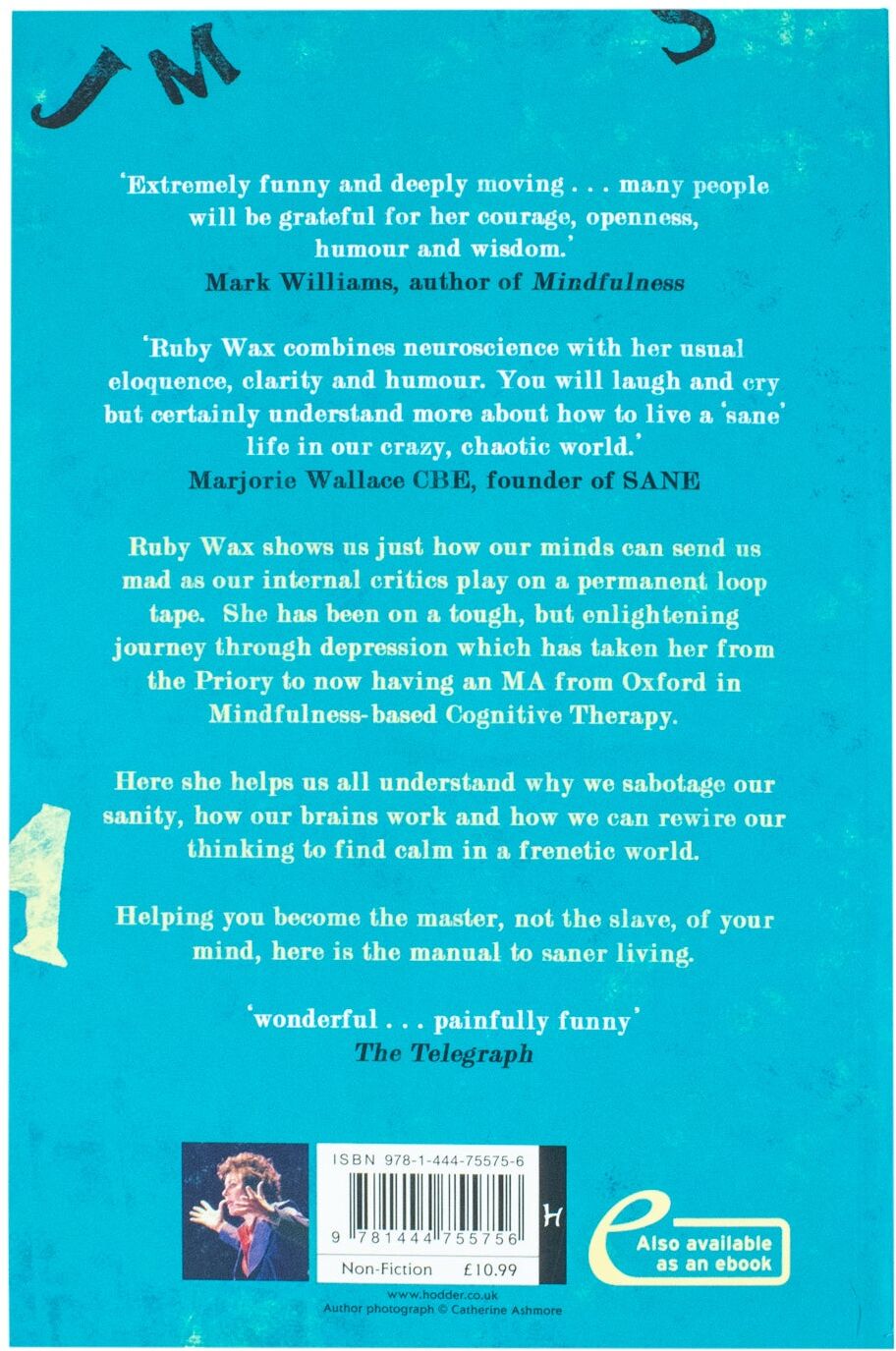
HODDER PUBLISHING Sane New World: Taming the Mind by Ruby Wax – Mental Health & Mindfulness GuideThe mental health and mindfulness bestseller from A Mindfulness Guide for the Frazzled and How to be Human author Ruby Wax; who shows us why and how our minds can send us mad and how we can rewire our thinking to calm ourselves in a frenetic world. 'Finally - a map for the troubled human mind. And it's funny.' -Caitlin Moran Ruby Wax - comedian; writer and mental health campaigner - shows us how our minds can jeopardize our sanity. With her own periods of depression and now a Masters from Oxford in Mindfulness-based Cognitive Therapy to draw from; she explains how our busy; chattering; self-critical thoughts drive us to anxiety and stress. If we are to break the cycle; we need to understand how our brains work; rewire our thinking and find calm in a frenetic world. Helping you become the master; not the slave; of your mind; here is the manual to saner living.4,90 £*Shipping: 1,99 £Secure redirect to the provider
-
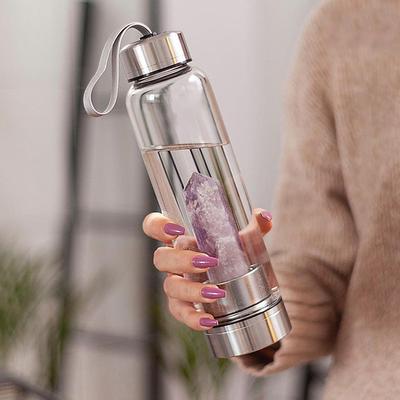
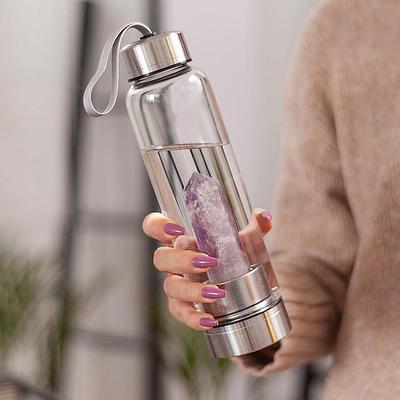
KitchenCuration Healing Quartz Crystal Water Bottle For Wellness & Energy Balance FluoriteRefresh your daily routine with a beautifully designed crystal water bottle that combines mindful living with elegant style. Crafted for wellness enthusiasts, yoga lovers, and anyone seeking a calming hydration experience, this bottle features a...49,97 $*Shipping: 0,00 $Secure redirect to the provider
-
Uplift Essentials "Social Worker ""My Control Circle"" Poster Mental Health Mindfulness Print Professional Office Wall Decor & Counselor 20x28 In""Empower your workspace and inspire your clients with our Social Worker ""My Control Circle"" Poster. This essential mental health professional artwork serves as both a beautiful decoration and a functional therapeutic tool. Featuring a clean,..."74,97 $*Shipping: 0,00 $Secure redirect to the provider
-
KitchenCuration Healing Quartz Crystal Water Bottle For Wellness & Energy Balance Clear QuartzRefresh your daily routine with a beautifully designed crystal water bottle that combines mindful living with elegant style. Crafted for wellness enthusiasts, yoga lovers, and anyone seeking a calming hydration experience, this bottle features a...49,97 $*Shipping: 0,00 $Secure redirect to the provider


-
What is the difference between possessiveness and jealousy?
Possessiveness is the desire to control or own something or someone, often stemming from a sense of ownership or entitlement. It can manifest as wanting to have power over a person or object. Jealousy, on the other hand, is an emotional response to a perceived threat or loss of something valuable, such as a relationship or possession. It often involves feelings of insecurity, fear of abandonment, or competition with others. While possessiveness is more about control and ownership, jealousy is more about fear of losing something important. **
-
What can I do about my jealousy and possessiveness?
To address jealousy and possessiveness, it is important to first acknowledge and understand the root causes of these feelings. Reflect on past experiences or insecurities that may be contributing to these emotions. Practice open communication with your partner about your feelings and work together to build trust and reassurance. Additionally, focus on building your self-esteem and confidence to reduce feelings of insecurity that may be fueling jealousy. Seeking support from a therapist or counselor can also be beneficial in addressing and managing these emotions. **
-
What is the cause of jealousy: love or possessiveness?
Jealousy can stem from both love and possessiveness. Love can lead to jealousy when there is a fear of losing the affection and attention of a loved one to someone else. Possessiveness, on the other hand, can also lead to jealousy when there is a strong desire to control and own the other person. Both love and possessiveness can trigger feelings of insecurity and fear of losing the connection with the person, which can result in jealousy. Ultimately, the cause of jealousy can be a complex combination of love and possessiveness. **
-
Is the concept of human partnership, love, without jealousy and possessiveness not possible?
The concept of human partnership and love without jealousy and possessiveness is possible, but it requires a deep level of trust, communication, and emotional maturity from both partners. It involves understanding that each person is an individual with their own autonomy and freedom, and that love does not equate to ownership. It requires a secure attachment style and the ability to manage insecurities and fears. While it may be challenging, it is achievable through open and honest communication, mutual respect, and a commitment to personal growth. **

How does the desire for control manifest in relationships through possessiveness and dominance?
The desire for control in relationships can manifest through possessiveness by wanting to have ownership and control over the other person. This can lead to jealousy, monitoring their activities, and trying to limit their interactions with others. Dominance can manifest through the need to have power and authority over the other person, leading to controlling behavior, making all the decisions, and using manipulation or coercion to maintain control. Both possessiveness and dominance can create an unhealthy dynamic in a relationship, leading to feelings of suffocation, lack of autonomy, and ultimately, the erosion of trust and intimacy. **
Which religion teaches mindfulness?
Buddhism is a religion that teaches mindfulness as a core practice. Mindfulness is an essential aspect of Buddhist teachings, particularly in the form of meditation. Practicing mindfulness in Buddhism involves being fully present and aware of one's thoughts, feelings, and surroundings without judgment. This practice is believed to lead to greater self-awareness, inner peace, and spiritual growth. **
Top-Angebote
Products related to Possessiveness:
-
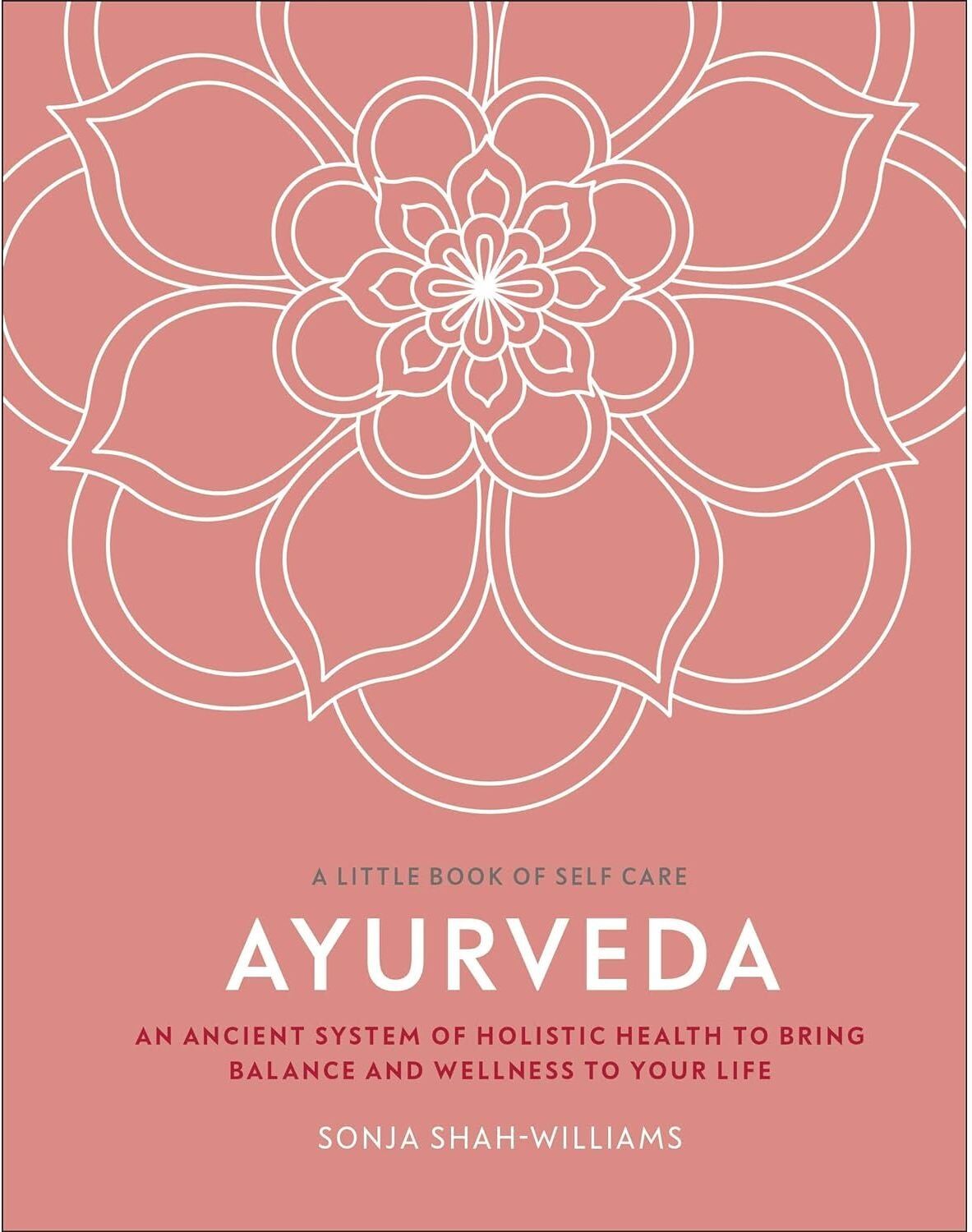
DK Ayurveda: An Ancient System of Holistic Health to Bring Balance and Wellness to Your Life (A Little Book of Self Care)Make Ayurveda an indispensable part of your daily routine with this step-by-step guide to holistic balance and wellness. For a natural approach to self-healing, alternative medicine, and wellness, expert Sonja Shah-Williams has tailored remedies including Ayurveda recipes, skincare, yoga, and mindful meditation techniques. Harness the power of alternative therapies and discover: - What Ayurveda is and the benefits of the practice - Easy to follow, step by step illustrated guide to Ayurvedic practices - Ayurvedic super-foods and recipes - How to easily incorporate holistic practices into daily life - Positive affirmations, mindfulness techniques and exercises Modern science has proved the effectiveness of Ayurveda as a view of the world based on ancient beliefs that everything is connected and that balance is the key to wellbeing. Ayurveda focuses on the prevention of disease by focusing on anti-inflammatory diets, mindful meditation, and massages. This practical guide is an Ayurvedic consultation at your disposal. This little self-care book will take you on a breathtaking journey of holistic healing. It begins by unpacking what Ayurveda is and the benefits of the practice. This reference book includes wellness practices designed to uplift the mind, body, and spirit and healing treatments designed to address, relieve, and help cure a range of common conditions.4,95 £*Shipping: 1,99 £Secure redirect to the provider
-
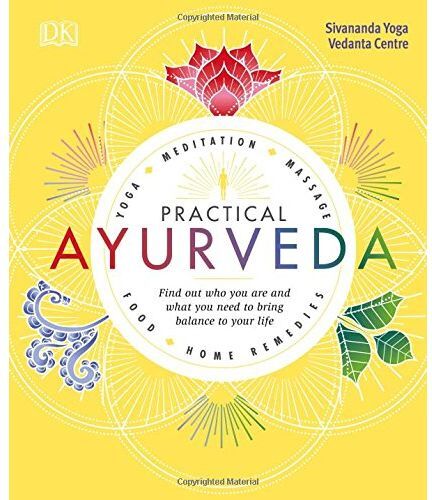
DK Practical Ayurveda – Find Out Who You Are and What You Need to Bring Balance to Your Life Holistic Health & Ayurvedic Wellness GuideDiscover the ancient wisdom of Ayurveda with Practical Ayurveda: Find Out Who You Are and What You Need to Bring Balance to Your Life, a clear and accessible guide to holistic wellbeing. Rooted in centuries of traditional Indian medicine, Ayurveda focuses on understanding your unique body type—or dosha—to achieve harmony between body, mind, and spirit. This practical guide helps readers identify their personal constitution and learn simple lifestyle, diet, and wellness practices to restore natural balance. Through easy explanations, self-assessment tools, and practical advice, this book introduces readers to Ayurvedic principles including nutrition, daily routines, herbal remedies, and mindful living. What You’ll Discover: How to identify your Ayurvedic dosha (Vata, Pitta, or Kapha) Practical tips for improving health, energy, and balance Guidance on Ayurvedic diet and lifestyle practices Natural approaches to managing stress and wellbeing Simple steps to integrate ancient wisdom into modern life Perfect for beginners and anyone interested in natural health, holistic living, and mind-body balance, Practical Ayurveda offers an inspiring introduction to one of the world’s oldest healing traditions.7,99 £*Shipping: 2,99 £Secure redirect to the provider
-
HODDER PUBLISHING Sane New World: Taming the Mind by Ruby Wax – Mental Health & Mindfulness GuideThe mental health and mindfulness bestseller from A Mindfulness Guide for the Frazzled and How to be Human author Ruby Wax; who shows us why and how our minds can send us mad and how we can rewire our thinking to calm ourselves in a frenetic world. 'Finally - a map for the troubled human mind. And it's funny.' -Caitlin Moran Ruby Wax - comedian; writer and mental health campaigner - shows us how our minds can jeopardize our sanity. With her own periods of depression and now a Masters from Oxford in Mindfulness-based Cognitive Therapy to draw from; she explains how our busy; chattering; self-critical thoughts drive us to anxiety and stress. If we are to break the cycle; we need to understand how our brains work; rewire our thinking and find calm in a frenetic world. Helping you become the master; not the slave; of your mind; here is the manual to saner living.4,90 £*Shipping: 1,99 £Secure redirect to the provider
-
KitchenCuration Healing Quartz Crystal Water Bottle For Wellness & Energy Balance FluoriteRefresh your daily routine with a beautifully designed crystal water bottle that combines mindful living with elegant style. Crafted for wellness enthusiasts, yoga lovers, and anyone seeking a calming hydration experience, this bottle features a...49,97 $*Shipping: 0,00 $Secure redirect to the provider
-
Is possessiveness a disease?
Possessiveness is not considered a disease in the medical sense, but it can be a harmful trait that negatively impacts relationships and mental well-being. Excessive possessiveness can lead to controlling behavior, jealousy, and insecurity, which can strain relationships and cause distress for both the possessive individual and their partner. It is important to address possessiveness through communication, self-reflection, and potentially seeking therapy to work through underlying issues that may be contributing to this behavior. **
-
Is possessiveness also present in marriage?
Yes, possessiveness can be present in marriage. It can stem from feelings of insecurity, fear of losing one's partner, or a desire to control the relationship. While some level of possessiveness is normal in a romantic relationship, it can become unhealthy if it leads to jealousy, controlling behavior, or lack of trust. It is important for couples to communicate openly, set boundaries, and work on building trust to prevent possessiveness from negatively impacting their marriage. **
-
What is the difference between possessiveness and jealousy?
Possessiveness is the desire to control or own something or someone, often stemming from a sense of ownership or entitlement. It can manifest as wanting to have power over a person or object. Jealousy, on the other hand, is an emotional response to a perceived threat or loss of something valuable, such as a relationship or possession. It often involves feelings of insecurity, fear of abandonment, or competition with others. While possessiveness is more about control and ownership, jealousy is more about fear of losing something important. **
-
What can I do about my jealousy and possessiveness?
To address jealousy and possessiveness, it is important to first acknowledge and understand the root causes of these feelings. Reflect on past experiences or insecurities that may be contributing to these emotions. Practice open communication with your partner about your feelings and work together to build trust and reassurance. Additionally, focus on building your self-esteem and confidence to reduce feelings of insecurity that may be fueling jealousy. Seeking support from a therapist or counselor can also be beneficial in addressing and managing these emotions. **
Similar search terms for Possessiveness
-
Uplift Essentials "Social Worker ""My Control Circle"" Poster Mental Health Mindfulness Print Professional Office Wall Decor & Counselor 20x28 In""Empower your workspace and inspire your clients with our Social Worker ""My Control Circle"" Poster. This essential mental health professional artwork serves as both a beautiful decoration and a functional therapeutic tool. Featuring a clean,..."74,97 $*Shipping: 0,00 $Secure redirect to the provider
-
KitchenCuration Healing Quartz Crystal Water Bottle For Wellness & Energy Balance Clear QuartzRefresh your daily routine with a beautifully designed crystal water bottle that combines mindful living with elegant style. Crafted for wellness enthusiasts, yoga lovers, and anyone seeking a calming hydration experience, this bottle features a...49,97 $*Shipping: 0,00 $Secure redirect to the provider
-
KitchenCuration Healing Quartz Crystal Water Bottle For Wellness & Energy Balance Rose QuartzRefresh your daily routine with a beautifully designed crystal water bottle that combines mindful living with elegant style. Crafted for wellness enthusiasts, yoga lovers, and anyone seeking a calming hydration experience, this bottle features a...49,97 $*Shipping: 0,00 $Secure redirect to the provider
-
KitchenCuration Healing Quartz Crystal Water Bottle For Wellness & Energy Balance Amethyst PurpleRefresh your daily routine with a beautifully designed crystal water bottle that combines mindful living with elegant style. Crafted for wellness enthusiasts, yoga lovers, and anyone seeking a calming hydration experience, this bottle features a...53,97 $*Shipping: 0,00 $Secure redirect to the provider
-
What is the cause of jealousy: love or possessiveness?
Jealousy can stem from both love and possessiveness. Love can lead to jealousy when there is a fear of losing the affection and attention of a loved one to someone else. Possessiveness, on the other hand, can also lead to jealousy when there is a strong desire to control and own the other person. Both love and possessiveness can trigger feelings of insecurity and fear of losing the connection with the person, which can result in jealousy. Ultimately, the cause of jealousy can be a complex combination of love and possessiveness. **
-
Is the concept of human partnership, love, without jealousy and possessiveness not possible?
The concept of human partnership and love without jealousy and possessiveness is possible, but it requires a deep level of trust, communication, and emotional maturity from both partners. It involves understanding that each person is an individual with their own autonomy and freedom, and that love does not equate to ownership. It requires a secure attachment style and the ability to manage insecurities and fears. While it may be challenging, it is achievable through open and honest communication, mutual respect, and a commitment to personal growth. **
-
How does the desire for control manifest in relationships through possessiveness and dominance?
The desire for control in relationships can manifest through possessiveness by wanting to have ownership and control over the other person. This can lead to jealousy, monitoring their activities, and trying to limit their interactions with others. Dominance can manifest through the need to have power and authority over the other person, leading to controlling behavior, making all the decisions, and using manipulation or coercion to maintain control. Both possessiveness and dominance can create an unhealthy dynamic in a relationship, leading to feelings of suffocation, lack of autonomy, and ultimately, the erosion of trust and intimacy. **
-
Which religion teaches mindfulness?
Buddhism is a religion that teaches mindfulness as a core practice. Mindfulness is an essential aspect of Buddhist teachings, particularly in the form of meditation. Practicing mindfulness in Buddhism involves being fully present and aware of one's thoughts, feelings, and surroundings without judgment. This practice is believed to lead to greater self-awareness, inner peace, and spiritual growth. **
* All prices are inclusive of VAT and, if applicable, plus shipping costs. The offer information is based on the details provided by the respective shop and is updated through automated processes. Real-time updates do not occur, so deviations can occur in individual cases. ** Note: Parts of this content were created by AI.