Buy siendo.eu ?
We are moving the project
siendo.eu .
Are you interested in purchasing the domain
siendo.eu ?
domain@kv-gmbh.de · 0541-91531010
Buy siendo.eu ?
Is arugula a cruciferous vegetable?
Yes, arugula is a cruciferous vegetable. It belongs to the Brassicaceae family, which includes other cruciferous vegetables like broccoli, kale, and Brussels sprouts. Arugula is known for its peppery flavor and is rich in vitamins, minerals, and antioxidants, making it a nutritious addition to a balanced diet. **
What is a herbarium for cruciferous plants?
A herbarium for cruciferous plants is a collection of preserved plant specimens from the family Brassicaceae, which includes plants like cabbage, broccoli, and mustard. These specimens are typically dried, pressed, and mounted on sheets of paper, along with information about where and when they were collected. Herbaria serve as important resources for researchers studying plant diversity, distribution, and taxonomy, and they can also be used for educational purposes and public outreach. By preserving and documenting plant specimens, herbaria help to build a comprehensive record of the world's plant life for future generations. **

Similar search terms for Cruciferous
Top-Angebote
Products related to Cruciferous:
-
HODDER PUBLISHING Sane New World: Taming the Mind by Ruby Wax – Mental Health & Mindfulness GuideThe mental health and mindfulness bestseller from A Mindfulness Guide for the Frazzled and How to be Human author Ruby Wax; who shows us why and how our minds can send us mad and how we can rewire our thinking to calm ourselves in a frenetic world. 'Finally - a map for the troubled human mind. And it's funny.' -Caitlin Moran Ruby Wax - comedian; writer and mental health campaigner - shows us how our minds can jeopardize our sanity. With her own periods of depression and now a Masters from Oxford in Mindfulness-based Cognitive Therapy to draw from; she explains how our busy; chattering; self-critical thoughts drive us to anxiety and stress. If we are to break the cycle; we need to understand how our brains work; rewire our thinking and find calm in a frenetic world. Helping you become the master; not the slave; of your mind; here is the manual to saner living.4,90 £*Shipping: 1,99 £Secure redirect to the provider
-
KitchenCuration Healing Quartz Crystal Water Bottle For Wellness & Energy Balance FluoriteRefresh your daily routine with a beautifully designed crystal water bottle that combines mindful living with elegant style. Crafted for wellness enthusiasts, yoga lovers, and anyone seeking a calming hydration experience, this bottle features a...49,97 $*Shipping: 0,00 $Secure redirect to the provider
-
Uplift Essentials "Social Worker ""My Control Circle"" Poster Mental Health Mindfulness Print Professional Office Wall Decor & Counselor 24x35 In""Empower your workspace and inspire your clients with our Social Worker ""My Control Circle"" Poster. This essential mental health professional artwork serves as both a beautiful decoration and a functional therapeutic tool. Featuring a clean,..."89,97 $*Shipping: 0,00 $Secure redirect to the provider
-
KitchenCuration Healing Quartz Crystal Water Bottle For Wellness & Energy Balance Amethyst PurpleRefresh your daily routine with a beautifully designed crystal water bottle that combines mindful living with elegant style. Crafted for wellness enthusiasts, yoga lovers, and anyone seeking a calming hydration experience, this bottle features a...53,97 $*Shipping: 0,00 $Secure redirect to the provider




-
How do cruciferous plants differ from each other?
Cruciferous plants differ from each other in terms of their appearance, taste, and nutritional content. For example, broccoli has a dense, green, flowery head, while cauliflower has a white, compact head. Brussels sprouts are small, round, and grow in clusters along the stem. Additionally, each cruciferous plant has a unique flavor profile, with some being more bitter or peppery than others. Nutritionally, they also vary in their levels of vitamins, minerals, and phytochemicals, with some being higher in certain nutrients than others. **
-
What are cruciferous plants, mint family plants, and leguminous plants?
Cruciferous plants are a group of vegetables that belong to the Brassicaceae family, including broccoli, cauliflower, cabbage, and kale. Mint family plants, also known as Lamiaceae family, include herbs like mint, basil, rosemary, and oregano. Leguminous plants are members of the Fabaceae family and are known for their ability to fix nitrogen in the soil, including beans, peas, lentils, and peanuts. Each of these plant families includes a variety of edible plants that are commonly used in cooking and gardening. **
-
What are the actual meanings of cruciferous vegetables for people?
Cruciferous vegetables are known for their numerous health benefits, including being rich in vitamins, minerals, and fiber. They are also known for their potential cancer-fighting properties, as they contain compounds that may help reduce the risk of certain types of cancer. Additionally, cruciferous vegetables can aid in digestion, support heart health, and contribute to overall weight management. Overall, the actual meanings of cruciferous vegetables for people are that they are an important part of a healthy diet and can contribute to overall well-being and disease prevention. **
-
What is the difference between a basket and a cruciferous plant?
A basket is a container typically made of woven materials such as wood or plastic, used for holding or carrying items. On the other hand, a cruciferous plant is a type of vegetable belonging to the Brassicaceae family, which includes vegetables like broccoli, cauliflower, cabbage, and kale. The main difference is that a basket is a man-made object used for holding items, while a cruciferous plant is a type of plant that produces edible vegetables. **


Which religion teaches mindfulness?
Buddhism is a religion that teaches mindfulness as a core practice. Mindfulness is an essential aspect of Buddhist teachings, particularly in the form of meditation. Practicing mindfulness in Buddhism involves being fully present and aware of one's thoughts, feelings, and surroundings without judgment. This practice is believed to lead to greater self-awareness, inner peace, and spiritual growth. **
What is inner mindfulness?
Inner mindfulness is the practice of being aware of one's thoughts, emotions, and sensations in the present moment without judgment. It involves tuning into one's inner experiences with a sense of curiosity and acceptance. Inner mindfulness allows individuals to cultivate self-awareness, emotional regulation, and a deeper connection with themselves. By being mindful of their inner world, individuals can better understand their thoughts and feelings, leading to greater clarity and insight. **
Top-Angebote
Products related to Cruciferous:
-
DK Ayurveda: An Ancient System of Holistic Health to Bring Balance and Wellness to Your Life (A Little Book of Self Care)Make Ayurveda an indispensable part of your daily routine with this step-by-step guide to holistic balance and wellness. For a natural approach to self-healing, alternative medicine, and wellness, expert Sonja Shah-Williams has tailored remedies including Ayurveda recipes, skincare, yoga, and mindful meditation techniques. Harness the power of alternative therapies and discover: - What Ayurveda is and the benefits of the practice - Easy to follow, step by step illustrated guide to Ayurvedic practices - Ayurvedic super-foods and recipes - How to easily incorporate holistic practices into daily life - Positive affirmations, mindfulness techniques and exercises Modern science has proved the effectiveness of Ayurveda as a view of the world based on ancient beliefs that everything is connected and that balance is the key to wellbeing. Ayurveda focuses on the prevention of disease by focusing on anti-inflammatory diets, mindful meditation, and massages. This practical guide is an Ayurvedic consultation at your disposal. This little self-care book will take you on a breathtaking journey of holistic healing. It begins by unpacking what Ayurveda is and the benefits of the practice. This reference book includes wellness practices designed to uplift the mind, body, and spirit and healing treatments designed to address, relieve, and help cure a range of common conditions.4,95 £*Shipping: 1,99 £Secure redirect to the provider
-
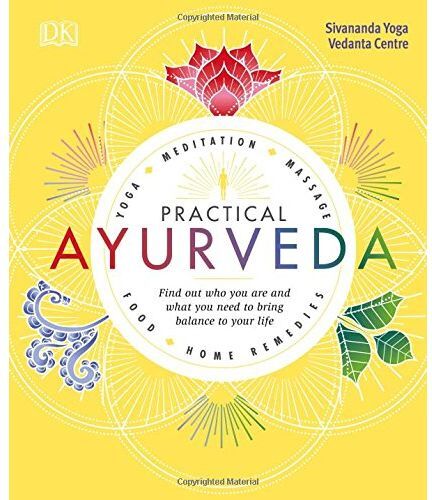
DK Practical Ayurveda – Find Out Who You Are and What You Need to Bring Balance to Your Life Holistic Health & Ayurvedic Wellness GuideDiscover the ancient wisdom of Ayurveda with Practical Ayurveda: Find Out Who You Are and What You Need to Bring Balance to Your Life, a clear and accessible guide to holistic wellbeing. Rooted in centuries of traditional Indian medicine, Ayurveda focuses on understanding your unique body type—or dosha—to achieve harmony between body, mind, and spirit. This practical guide helps readers identify their personal constitution and learn simple lifestyle, diet, and wellness practices to restore natural balance. Through easy explanations, self-assessment tools, and practical advice, this book introduces readers to Ayurvedic principles including nutrition, daily routines, herbal remedies, and mindful living. What You’ll Discover: How to identify your Ayurvedic dosha (Vata, Pitta, or Kapha) Practical tips for improving health, energy, and balance Guidance on Ayurvedic diet and lifestyle practices Natural approaches to managing stress and wellbeing Simple steps to integrate ancient wisdom into modern life Perfect for beginners and anyone interested in natural health, holistic living, and mind-body balance, Practical Ayurveda offers an inspiring introduction to one of the world’s oldest healing traditions.7,99 £*Shipping: 2,99 £Secure redirect to the provider
-
HODDER PUBLISHING Sane New World: Taming the Mind by Ruby Wax – Mental Health & Mindfulness GuideThe mental health and mindfulness bestseller from A Mindfulness Guide for the Frazzled and How to be Human author Ruby Wax; who shows us why and how our minds can send us mad and how we can rewire our thinking to calm ourselves in a frenetic world. 'Finally - a map for the troubled human mind. And it's funny.' -Caitlin Moran Ruby Wax - comedian; writer and mental health campaigner - shows us how our minds can jeopardize our sanity. With her own periods of depression and now a Masters from Oxford in Mindfulness-based Cognitive Therapy to draw from; she explains how our busy; chattering; self-critical thoughts drive us to anxiety and stress. If we are to break the cycle; we need to understand how our brains work; rewire our thinking and find calm in a frenetic world. Helping you become the master; not the slave; of your mind; here is the manual to saner living.4,90 £*Shipping: 1,99 £Secure redirect to the provider
-
KitchenCuration Healing Quartz Crystal Water Bottle For Wellness & Energy Balance FluoriteRefresh your daily routine with a beautifully designed crystal water bottle that combines mindful living with elegant style. Crafted for wellness enthusiasts, yoga lovers, and anyone seeking a calming hydration experience, this bottle features a...49,97 $*Shipping: 0,00 $Secure redirect to the provider
-
Is arugula a cruciferous vegetable?
Yes, arugula is a cruciferous vegetable. It belongs to the Brassicaceae family, which includes other cruciferous vegetables like broccoli, kale, and Brussels sprouts. Arugula is known for its peppery flavor and is rich in vitamins, minerals, and antioxidants, making it a nutritious addition to a balanced diet. **
-
What is a herbarium for cruciferous plants?
A herbarium for cruciferous plants is a collection of preserved plant specimens from the family Brassicaceae, which includes plants like cabbage, broccoli, and mustard. These specimens are typically dried, pressed, and mounted on sheets of paper, along with information about where and when they were collected. Herbaria serve as important resources for researchers studying plant diversity, distribution, and taxonomy, and they can also be used for educational purposes and public outreach. By preserving and documenting plant specimens, herbaria help to build a comprehensive record of the world's plant life for future generations. **
-
How do cruciferous plants differ from each other?
Cruciferous plants differ from each other in terms of their appearance, taste, and nutritional content. For example, broccoli has a dense, green, flowery head, while cauliflower has a white, compact head. Brussels sprouts are small, round, and grow in clusters along the stem. Additionally, each cruciferous plant has a unique flavor profile, with some being more bitter or peppery than others. Nutritionally, they also vary in their levels of vitamins, minerals, and phytochemicals, with some being higher in certain nutrients than others. **
-
What are cruciferous plants, mint family plants, and leguminous plants?
Cruciferous plants are a group of vegetables that belong to the Brassicaceae family, including broccoli, cauliflower, cabbage, and kale. Mint family plants, also known as Lamiaceae family, include herbs like mint, basil, rosemary, and oregano. Leguminous plants are members of the Fabaceae family and are known for their ability to fix nitrogen in the soil, including beans, peas, lentils, and peanuts. Each of these plant families includes a variety of edible plants that are commonly used in cooking and gardening. **
Similar search terms for Cruciferous
-
Uplift Essentials "Social Worker ""My Control Circle"" Poster Mental Health Mindfulness Print Professional Office Wall Decor & Counselor 24x35 In""Empower your workspace and inspire your clients with our Social Worker ""My Control Circle"" Poster. This essential mental health professional artwork serves as both a beautiful decoration and a functional therapeutic tool. Featuring a clean,..."89,97 $*Shipping: 0,00 $Secure redirect to the provider
-
KitchenCuration Healing Quartz Crystal Water Bottle For Wellness & Energy Balance Amethyst PurpleRefresh your daily routine with a beautifully designed crystal water bottle that combines mindful living with elegant style. Crafted for wellness enthusiasts, yoga lovers, and anyone seeking a calming hydration experience, this bottle features a...53,97 $*Shipping: 0,00 $Secure redirect to the provider
-
KitchenCuration Healing Quartz Crystal Water Bottle For Wellness & Energy Balance Rose QuartzRefresh your daily routine with a beautifully designed crystal water bottle that combines mindful living with elegant style. Crafted for wellness enthusiasts, yoga lovers, and anyone seeking a calming hydration experience, this bottle features a...49,97 $*Shipping: 0,00 $Secure redirect to the provider
-
KitchenCuration Healing Quartz Crystal Water Bottle For Wellness & Energy Balance Smoky QuartzRefresh your daily routine with a beautifully designed crystal water bottle that combines mindful living with elegant style. Crafted for wellness enthusiasts, yoga lovers, and anyone seeking a calming hydration experience, this bottle features a...49,97 $*Shipping: 0,00 $Secure redirect to the provider
-
What are the actual meanings of cruciferous vegetables for people?
Cruciferous vegetables are known for their numerous health benefits, including being rich in vitamins, minerals, and fiber. They are also known for their potential cancer-fighting properties, as they contain compounds that may help reduce the risk of certain types of cancer. Additionally, cruciferous vegetables can aid in digestion, support heart health, and contribute to overall weight management. Overall, the actual meanings of cruciferous vegetables for people are that they are an important part of a healthy diet and can contribute to overall well-being and disease prevention. **
-
What is the difference between a basket and a cruciferous plant?
A basket is a container typically made of woven materials such as wood or plastic, used for holding or carrying items. On the other hand, a cruciferous plant is a type of vegetable belonging to the Brassicaceae family, which includes vegetables like broccoli, cauliflower, cabbage, and kale. The main difference is that a basket is a man-made object used for holding items, while a cruciferous plant is a type of plant that produces edible vegetables. **
-
Which religion teaches mindfulness?
Buddhism is a religion that teaches mindfulness as a core practice. Mindfulness is an essential aspect of Buddhist teachings, particularly in the form of meditation. Practicing mindfulness in Buddhism involves being fully present and aware of one's thoughts, feelings, and surroundings without judgment. This practice is believed to lead to greater self-awareness, inner peace, and spiritual growth. **
-
What is inner mindfulness?
Inner mindfulness is the practice of being aware of one's thoughts, emotions, and sensations in the present moment without judgment. It involves tuning into one's inner experiences with a sense of curiosity and acceptance. Inner mindfulness allows individuals to cultivate self-awareness, emotional regulation, and a deeper connection with themselves. By being mindful of their inner world, individuals can better understand their thoughts and feelings, leading to greater clarity and insight. **
* All prices are inclusive of VAT and, if applicable, plus shipping costs. The offer information is based on the details provided by the respective shop and is updated through automated processes. Real-time updates do not occur, so deviations can occur in individual cases. ** Note: Parts of this content were created by AI.