Buy siendo.eu ?
We are moving the project
siendo.eu .
Are you interested in purchasing the domain
siendo.eu ?
domain@kv-gmbh.de · 0541-91531010
Buy siendo.eu ?
Should the tympanic membrane perforation be performed in a hospital or in an ENT practice?
A tympanic membrane perforation should be performed in a hospital setting rather than an ENT practice. This is because performing the procedure in a hospital allows for access to a wider range of medical resources and expertise, including anesthesiologists, surgical equipment, and emergency care facilities. Additionally, hospitals are better equipped to handle any potential complications that may arise during the procedure. Overall, the hospital setting provides a safer and more comprehensive environment for performing tympanic membrane perforations. **
Is it normal to still feel pressure in the ears despite having a tympanic membrane incision?
Yes, it is normal to still feel pressure in the ears despite having a tympanic membrane incision. This pressure can be due to fluid buildup or changes in air pressure within the middle ear. It is important to follow up with your healthcare provider to ensure proper healing and to address any concerns related to the pressure in your ears. **

Similar search terms for Tympanic
Top-Angebote
Products related to Tympanic:
-
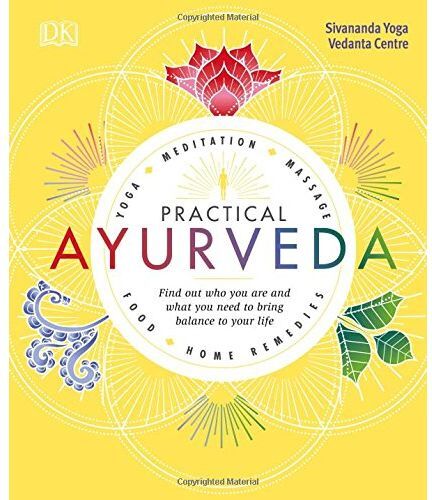
DK Practical Ayurveda – Find Out Who You Are and What You Need to Bring Balance to Your Life Holistic Health & Ayurvedic Wellness GuideDiscover the ancient wisdom of Ayurveda with Practical Ayurveda: Find Out Who You Are and What You Need to Bring Balance to Your Life, a clear and accessible guide to holistic wellbeing. Rooted in centuries of traditional Indian medicine, Ayurveda focuses on understanding your unique body type—or dosha—to achieve harmony between body, mind, and spirit. This practical guide helps readers identify their personal constitution and learn simple lifestyle, diet, and wellness practices to restore natural balance. Through easy explanations, self-assessment tools, and practical advice, this book introduces readers to Ayurvedic principles including nutrition, daily routines, herbal remedies, and mindful living. What You’ll Discover: How to identify your Ayurvedic dosha (Vata, Pitta, or Kapha) Practical tips for improving health, energy, and balance Guidance on Ayurvedic diet and lifestyle practices Natural approaches to managing stress and wellbeing Simple steps to integrate ancient wisdom into modern life Perfect for beginners and anyone interested in natural health, holistic living, and mind-body balance, Practical Ayurveda offers an inspiring introduction to one of the world’s oldest healing traditions.7,99 £*Shipping: 2,99 £Secure redirect to the provider
-
Is it normal to still feel pressure in the ears despite having a tympanic membrane cut?
Yes, it is normal to still feel pressure in the ears despite having a tympanic membrane cut. The pressure sensation may be due to changes in air pressure, fluid buildup, or inflammation in the middle ear. It is important to follow up with a healthcare provider to ensure proper healing and to address any ongoing discomfort or pressure in the ears. **
-
Which religion teaches mindfulness?
Buddhism is a religion that teaches mindfulness as a core practice. Mindfulness is an essential aspect of Buddhist teachings, particularly in the form of meditation. Practicing mindfulness in Buddhism involves being fully present and aware of one's thoughts, feelings, and surroundings without judgment. This practice is believed to lead to greater self-awareness, inner peace, and spiritual growth. **
-
What is inner mindfulness?
Inner mindfulness is the practice of being aware of one's thoughts, emotions, and sensations in the present moment without judgment. It involves tuning into one's inner experiences with a sense of curiosity and acceptance. Inner mindfulness allows individuals to cultivate self-awareness, emotional regulation, and a deeper connection with themselves. By being mindful of their inner world, individuals can better understand their thoughts and feelings, leading to greater clarity and insight. **
-
How does mindfulness work?
Mindfulness works by bringing our attention to the present moment without judgment. It involves being fully aware of our thoughts, feelings, sensations, and surroundings. By practicing mindfulness, we can cultivate a greater sense of self-awareness, emotional regulation, and stress reduction. This practice can help us break free from automatic, habitual reactions and make more conscious choices in our daily lives. **
What are meditation and mindfulness?
Meditation is a practice that involves focusing the mind on a particular object, thought, or activity to train attention and awareness, and achieve a mentally clear and emotionally calm state. Mindfulness is a type of meditation that involves paying attention to the present moment without judgment. It involves being fully aware of your thoughts, feelings, bodily sensations, and surrounding environment. Both meditation and mindfulness have been shown to have numerous benefits for mental and physical well-being, including reducing stress, improving focus, and enhancing overall quality of life. **
How do you define mindfulness?
Mindfulness is the practice of being fully present and engaged in the current moment, without judgment or distraction. It involves paying attention to one's thoughts, feelings, and surroundings with a sense of openness and acceptance. By cultivating mindfulness, individuals can develop a greater awareness of their experiences and a deeper connection to themselves and the world around them. **
Top-Angebote
Products related to Tympanic:
-
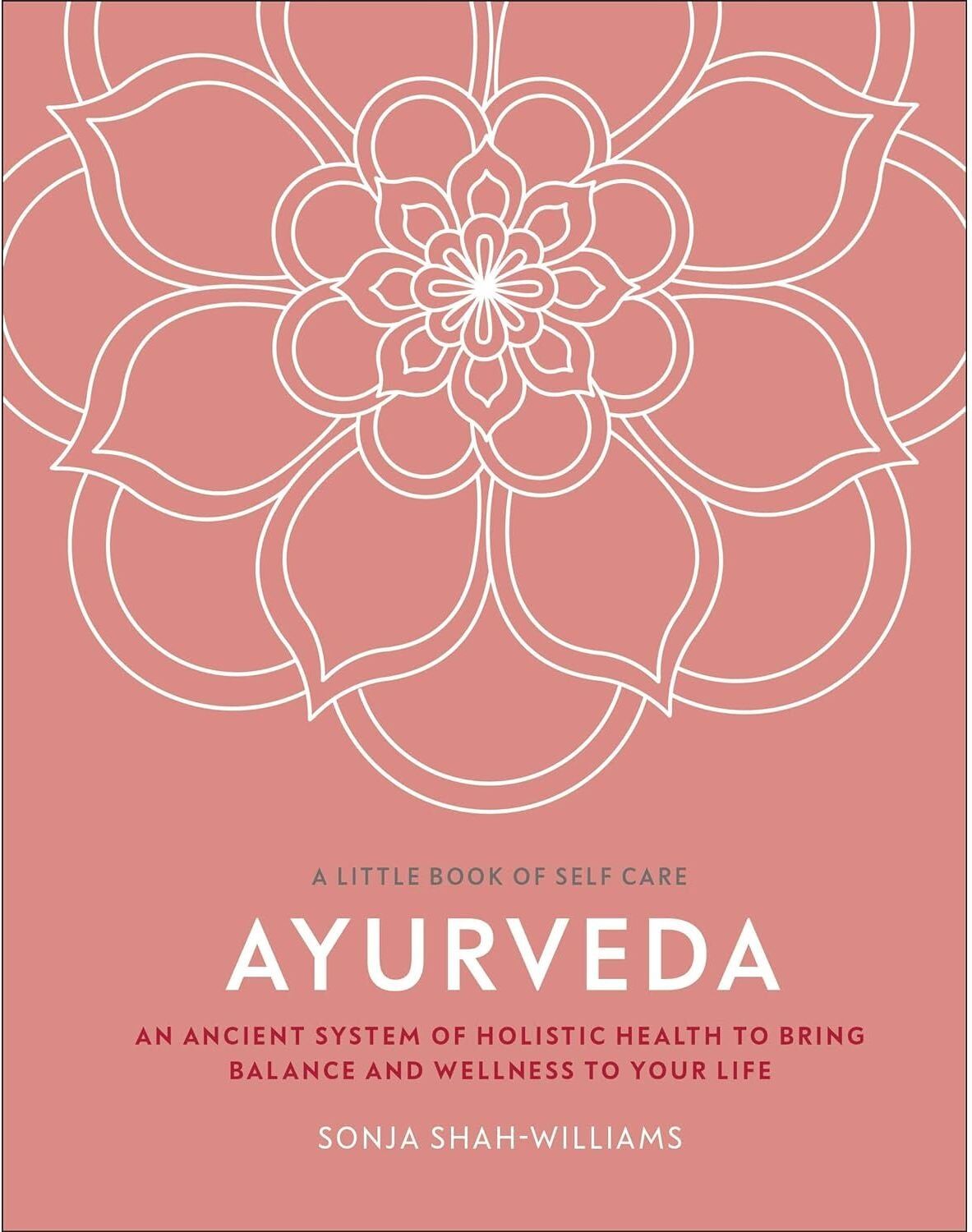
DK Ayurveda: An Ancient System of Holistic Health to Bring Balance and Wellness to Your Life (A Little Book of Self Care)Make Ayurveda an indispensable part of your daily routine with this step-by-step guide to holistic balance and wellness. For a natural approach to self-healing, alternative medicine, and wellness, expert Sonja Shah-Williams has tailored remedies including Ayurveda recipes, skincare, yoga, and mindful meditation techniques. Harness the power of alternative therapies and discover: - What Ayurveda is and the benefits of the practice - Easy to follow, step by step illustrated guide to Ayurvedic practices - Ayurvedic super-foods and recipes - How to easily incorporate holistic practices into daily life - Positive affirmations, mindfulness techniques and exercises Modern science has proved the effectiveness of Ayurveda as a view of the world based on ancient beliefs that everything is connected and that balance is the key to wellbeing. Ayurveda focuses on the prevention of disease by focusing on anti-inflammatory diets, mindful meditation, and massages. This practical guide is an Ayurvedic consultation at your disposal. This little self-care book will take you on a breathtaking journey of holistic healing. It begins by unpacking what Ayurveda is and the benefits of the practice. This reference book includes wellness practices designed to uplift the mind, body, and spirit and healing treatments designed to address, relieve, and help cure a range of common conditions.4,95 £*Shipping: 1,99 £Secure redirect to the provider
-
KitchenCuration Healing Quartz Crystal Water Bottle For Wellness & Energy Balance FluoriteRefresh your daily routine with a beautifully designed crystal water bottle that combines mindful living with elegant style. Crafted for wellness enthusiasts, yoga lovers, and anyone seeking a calming hydration experience, this bottle features a...49,97 $*Shipping: 0,00 $Secure redirect to the provider
-
DK Practical Ayurveda – Find Out Who You Are and What You Need to Bring Balance to Your Life Holistic Health & Ayurvedic Wellness GuideDiscover the ancient wisdom of Ayurveda with Practical Ayurveda: Find Out Who You Are and What You Need to Bring Balance to Your Life, a clear and accessible guide to holistic wellbeing. Rooted in centuries of traditional Indian medicine, Ayurveda focuses on understanding your unique body type—or dosha—to achieve harmony between body, mind, and spirit. This practical guide helps readers identify their personal constitution and learn simple lifestyle, diet, and wellness practices to restore natural balance. Through easy explanations, self-assessment tools, and practical advice, this book introduces readers to Ayurvedic principles including nutrition, daily routines, herbal remedies, and mindful living. What You’ll Discover: How to identify your Ayurvedic dosha (Vata, Pitta, or Kapha) Practical tips for improving health, energy, and balance Guidance on Ayurvedic diet and lifestyle practices Natural approaches to managing stress and wellbeing Simple steps to integrate ancient wisdom into modern life Perfect for beginners and anyone interested in natural health, holistic living, and mind-body balance, Practical Ayurveda offers an inspiring introduction to one of the world’s oldest healing traditions.7,99 £*Shipping: 2,99 £Secure redirect to the provider
-
Should the tympanic membrane perforation be performed in a hospital or in an ENT practice?
A tympanic membrane perforation should be performed in a hospital setting rather than an ENT practice. This is because performing the procedure in a hospital allows for access to a wider range of medical resources and expertise, including anesthesiologists, surgical equipment, and emergency care facilities. Additionally, hospitals are better equipped to handle any potential complications that may arise during the procedure. Overall, the hospital setting provides a safer and more comprehensive environment for performing tympanic membrane perforations. **
-
Is it normal to still feel pressure in the ears despite having a tympanic membrane incision?
Yes, it is normal to still feel pressure in the ears despite having a tympanic membrane incision. This pressure can be due to fluid buildup or changes in air pressure within the middle ear. It is important to follow up with your healthcare provider to ensure proper healing and to address any concerns related to the pressure in your ears. **
-
Is it normal to still feel pressure in the ears despite having a tympanic membrane cut?
Yes, it is normal to still feel pressure in the ears despite having a tympanic membrane cut. The pressure sensation may be due to changes in air pressure, fluid buildup, or inflammation in the middle ear. It is important to follow up with a healthcare provider to ensure proper healing and to address any ongoing discomfort or pressure in the ears. **
-
Which religion teaches mindfulness?
Buddhism is a religion that teaches mindfulness as a core practice. Mindfulness is an essential aspect of Buddhist teachings, particularly in the form of meditation. Practicing mindfulness in Buddhism involves being fully present and aware of one's thoughts, feelings, and surroundings without judgment. This practice is believed to lead to greater self-awareness, inner peace, and spiritual growth. **
Similar search terms for Tympanic
-
What is inner mindfulness?
Inner mindfulness is the practice of being aware of one's thoughts, emotions, and sensations in the present moment without judgment. It involves tuning into one's inner experiences with a sense of curiosity and acceptance. Inner mindfulness allows individuals to cultivate self-awareness, emotional regulation, and a deeper connection with themselves. By being mindful of their inner world, individuals can better understand their thoughts and feelings, leading to greater clarity and insight. **
-
How does mindfulness work?
Mindfulness works by bringing our attention to the present moment without judgment. It involves being fully aware of our thoughts, feelings, sensations, and surroundings. By practicing mindfulness, we can cultivate a greater sense of self-awareness, emotional regulation, and stress reduction. This practice can help us break free from automatic, habitual reactions and make more conscious choices in our daily lives. **
-
What are meditation and mindfulness?
Meditation is a practice that involves focusing the mind on a particular object, thought, or activity to train attention and awareness, and achieve a mentally clear and emotionally calm state. Mindfulness is a type of meditation that involves paying attention to the present moment without judgment. It involves being fully aware of your thoughts, feelings, bodily sensations, and surrounding environment. Both meditation and mindfulness have been shown to have numerous benefits for mental and physical well-being, including reducing stress, improving focus, and enhancing overall quality of life. **
-
How do you define mindfulness?
Mindfulness is the practice of being fully present and engaged in the current moment, without judgment or distraction. It involves paying attention to one's thoughts, feelings, and surroundings with a sense of openness and acceptance. By cultivating mindfulness, individuals can develop a greater awareness of their experiences and a deeper connection to themselves and the world around them. **
* All prices are inclusive of VAT and, if applicable, plus shipping costs. The offer information is based on the details provided by the respective shop and is updated through automated processes. Real-time updates do not occur, so deviations can occur in individual cases. ** Note: Parts of this content were created by AI.